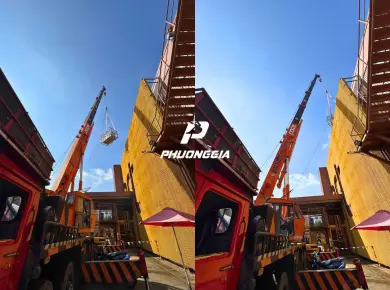


In densely populated areas, lifting machinery, steel structures, or construction materials can easily become risky if the wrong crane capacity is chosen or if on-site coordination is poor. If you are looking to rent a crane in District 11 for a townhouse project, warehouse, or equipment installation, Phuong Gia Foundation provides fast site assessment and practical lifting solutions tailored to real conditions. This helps save time, minimize collisions, and keep costs under control with a clear working process. The article below shares how to choose the right crane type, cost-influencing factors, service coverage, and key safety considerations during operation.

When should you rent a crane in District 11?
Not every task requires a large crane; what matters is matching the crane to the load, lifting point, and site access. In inner-city areas, narrow spaces, overhead power lines, and heavy traffic make manual lifting slow and unsafe. Using the right crane ensures smoother operations, reduces impact on surrounding activities, and lowers risks when lifting to higher levels.
- Lifting heavy machinery or equipment into workshops, plant rooms, or rooftops.
- Hoisting construction materials such as steel bundles, roofing sheets, and scaffolding.
- Installing water tanks, stainless tanks, signage systems, or steel frames on building façades.
- Loading and unloading pallets or bulky goods at warehouses with limited access.
- Supporting equipment relocation during renovation or layout changes.
Common crane types and how to choose the right capacity
Choosing a crane is not only about tonnage; lifting height, working radius, and actual load at reach are just as important. A crane that is too small may fail to lift at the required radius, while an oversized crane increases unnecessary costs. Below are common options and quick selection tips.
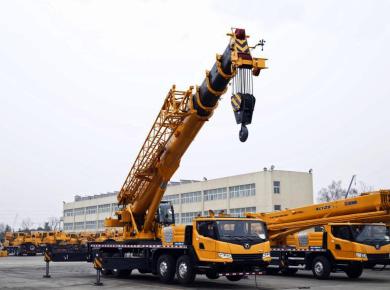
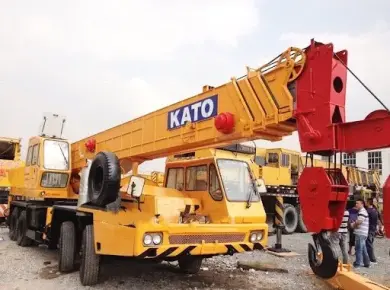
Truck-mounted mobile cranes
These cranes are highly flexible and suitable for projects requiring movement between multiple points in a day. They are ideal for urban jobs that need quick setup and efficient lifting. Technicians usually assess access width, outrigger placement, and overhead obstacles to ensure stable operation.
- Suitable for lifting equipment, steel structures, and medium-to-heavy materials.
- Note: adequate space is required for outriggers and boom rotation.
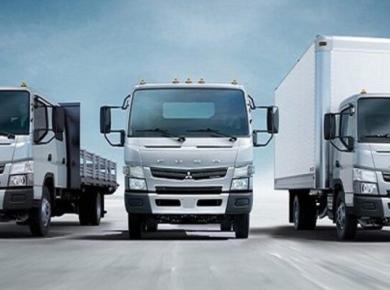
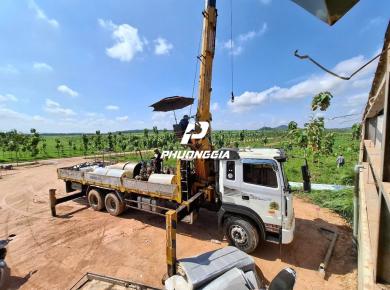
Loader cranes (truck cranes)
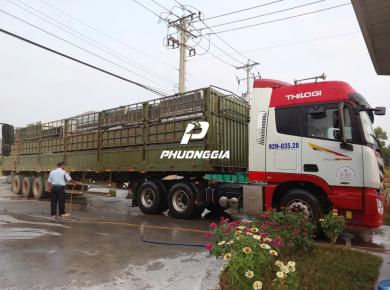
Loader cranes are ideal when transportation and lifting are required at the same time. Materials can be delivered and unloaded directly at the site, reducing manual handling. However, lifting capacity depends on boom configuration and reach, so accurate load information is essential.
- Suitable for material delivery routes and on-site unloading.
- Note: consider combined vehicle and cargo weight with road conditions.
Quick selection checklist: estimate total load weight (including frames or bases), measure required lifting height, calculate horizontal reach, and check site access. If unsure, sending photos or videos of the site helps ensure the correct crane is selected and avoids last-minute changes.
Practical working process
A clear process helps reduce unexpected costs and waiting time. The dispatch team confirms lifting goals, schedule, and site conditions before proposing a solution. For projects with multiple lifting points, routing and positioning are planned in advance to optimize costs.
For crane rental services in District 11, Phuong Gia Foundation typically follows these steps:
- Information intake: type of load, estimated weight, lifting and placement points, preferred schedule.
- Site assessment: access roads, ground condition for outriggers, overhead obstacles, and stabilization methods.
- Quotation based on the proposed method (by hour/shift or by workload), clearly stating inclusions and exclusions.
- Crane and crew dispatch: certified operator and signalman as required.
- Execution & handover: test lift, main lift, final placement, and site cleanup.
For a broader overview of urban services, you may refer to crane rental services in Ho Chi Minh City to compare service scales and pricing approaches.
Factors affecting cost and execution time
Crane rental costs often depend more on site complexity than nominal capacity alone. A short lift with long reach, difficult access, or site preparation delays can extend working time. Understanding these factors helps you plan more effectively.
- Working radius and lifting height: greater reach reduces effective capacity and may require a larger crane.
- Load characteristics and rigging points: off-center or long loads need careful slinging.
- Access and ground condition: narrow alleys, weak surfaces, slopes, or obstacles increase setup time.
- Working hours: peak traffic, night shifts, or weekends may involve additional labor costs.
- Additional requirements: extra helpers, outrigger mats, barriers, or traffic guidance.
Common scenario: lifting equipment onto a rooftop where crane placement must shift due to trees or power lines. The safest solution is often adjusting crane position and increasing reach with proper stabilization, avoiding unsafe overloading.
Most standard tasks can be completed within the day if scheduled early and the site is ready. Clearing access routes and assigning on-site coordination before crane arrival helps reduce downtime.
Service coverage in District 11 and nearby areas
Crane routes are planned to prioritize wide roads and safe turning points for faster access and minimal traffic disruption. In District 11, pre-site checks are essential due to busy streets and overhead obstacles. Clients only need to describe the area and share site images for suitable positioning advice.
- Main service routes and landmarks: Lac Long Quan, Le Dai Hanh, 3 Thang 2, Hong Bang, Minh Phung, Binh Thoi, Dam Sen Cultural Park.
For border areas or inter-district projects, routing is often optimized toward Tan Binh District, District 6, and Binh Tan District. You may also review crane rental services in District 5 or crane rental solutions in District 10 for comparison.
Safety notes and common lifting mistakes
Most risks come from underestimating overhead obstacles or incorrect rigging. Even slight load rotation at height can cause collisions with balconies, canopies, or power lines. Proper site preparation and clear signaling are critical.
Before lifting, make sure to:
- Confirm crane positioning, outrigger space, and emergency exit paths.
- Prepare rigging: rigging and slings, shackles, and soft straps suitable for the load surface.
- Remove or avoid temporary obstacles such as awnings or small signboards.
- Assign one on-site coordinator and agree on hand signals or radio communication.
Common mistakes & how to avoid them:
- Incorrect load estimation: verify equipment specs or add allowance for bases.
- Attempting lifts at extreme reach: reposition the crane or split the load.
- No outrigger mats on weak ground or drains: always use proper support plates.
- Lack of traffic guidance near roads: install barriers and warning signs.
Phuong Gia Foundation recommends performing a light test lift to check balance before the main lift and stopping operations immediately in strong winds or unclear signals.
FAQ
The questions below summarize common concerns when renting cranes and preparing sites. Reviewing them helps avoid missing information and reduces delays or unexpected issues during execution.
What information is needed for quick consultation?
Provide load type, estimated weight, lifting height, placement point, and access photos or videos. Clear details lead to accurate crane selection.
Is permission required for roadside lifting?
It depends on road occupation level and duration. For extended or busy-area lifts, advance planning for barriers and timing is recommended.
How far in advance should I book?
Early booking helps secure preferred time slots and avoid peak traffic. Complex projects should be scheduled earlier for proper site assessment.
Can cranes access narrow alleys?
It depends on alley width, turning space, and outrigger setup. Sharing site images allows for accurate feasibility assessment.
Are night or weekend operations available?
Yes, subject to scheduling and site readiness. Advance notice helps allocate appropriate crews and equipment.
Conclusion:
Renting the right crane ensures smooth execution, reduced risks, and efficient timelines for projects in District 11. Preparing site photos, accurate load estimates, and clear schedules allows for optimal planning and safe lifting. Phuong Gia Foundation prioritizes transparent processes, safety, and on-site coordination to ensure reliable lifting at the correct capacity. Call 0824 255 585 for quick consultation and scheduling. Liên Hệ Ngay Nhận Báo Giá Ưu Đãi.