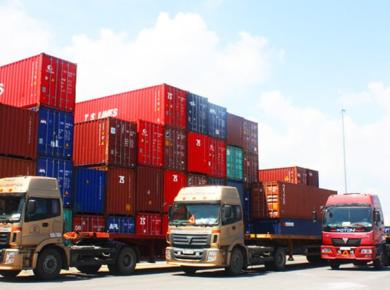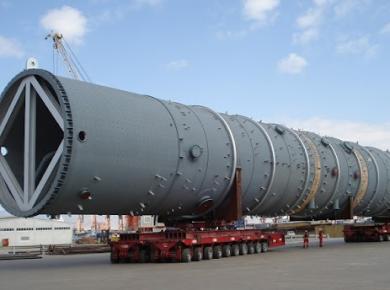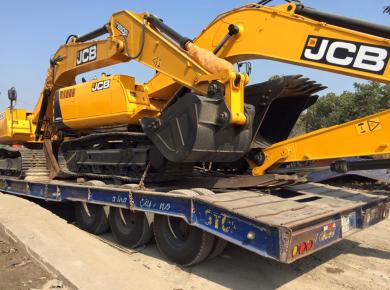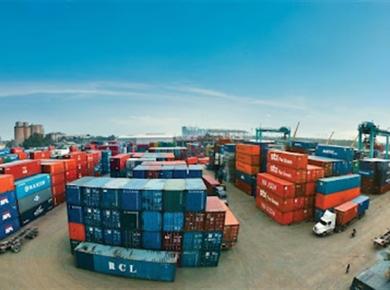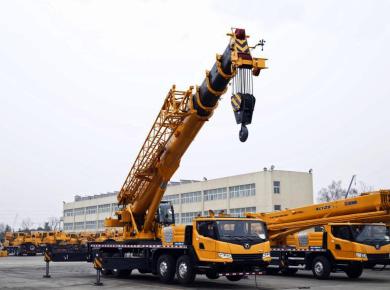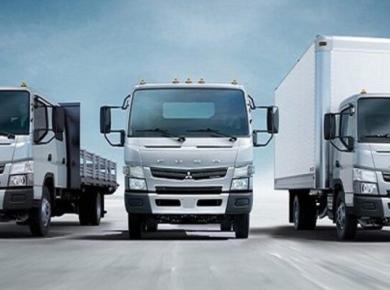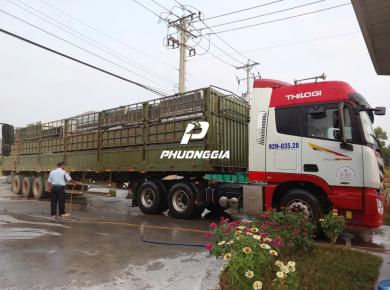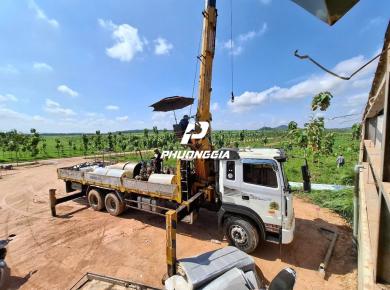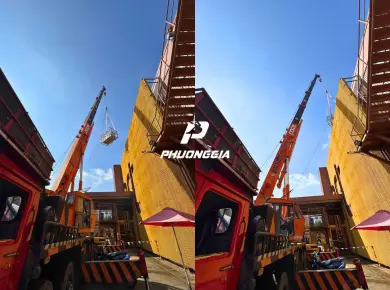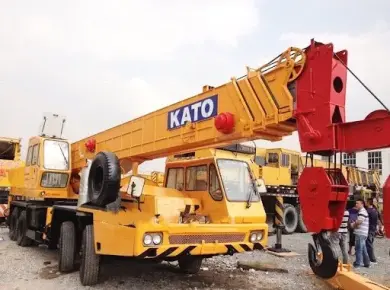


The concrete pour is scheduled, materials arrive at the gate, but the steel beams still sit on the truck because there’s no suitable lifting equipment on site. A delay of just a few hours can stall the whole crew and the delivery vehicle, creating immediate extra costs. With Phương Gia Foundation, crane truck rental in District 9 is dispatched flexibly by shift/day, with site checking and load guidance so every lift follows proper technique and reduces risk. You share the time, location, and job scope—our operators handle the rest end to end.

When should you rent a crane truck, and how do you choose the right capacity?
Not every job needs a large crane; selecting the right capacity and reach keeps the work safe and avoids overspending. In reality, many issues come from underestimating lift height, working radius, or outrigger placement. If you can describe the load, the set-down point, and the access route, consultation becomes faster and much more accurate.
Common lifting jobs on site
In areas like Phú Hữu, demand typically centers on bulky materials and heavy equipment that must be placed precisely for installation. When delivery trucks arrive in fixed time windows, matching the crane schedule helps prevent congestion and cuts waiting time. Typical jobs include:
- Lifting steel beams, scaffolding, formwork, wall panels, large glass sheets.
- Placing generators, air compressors, tanks, and MEP equipment onto slabs or foundations.
- Hoisting materials to upper floors for townhouses and workshops.
- Setting containers and pre-engineered steel structures into position by grid lines.
Basic estimation of capacity and reach
Choosing a crane isn’t only about “how many tons” the load weighs—it also depends on boom radius and lifting height. The same load may require a larger setup if the crane must reach over roofs or obstacles, because allowable capacity decreases according to the load chart. To lock in a plan quickly, prepare:
- Load weight (and dimensions if available) plus lifting points.
- Required set-down height and the distance from truck position to set-down point.
- Ground condition (concrete, soil, pavers), and whether it’s soft/wet or uneven.
- Obstacles: power lines, trees, awnings, signage, railings.
Pick the right crane truck for your site footprint and access roads
Site conditions heavily influence the right choice: outrigger space, turning radius, access width, and overhead clearance. In narrow alleys like Tăng Nhơn Phú A, a compact, quick-deploy setup reduces rubbing risks and minimizes disturbance to nearby homes. If your gate is low or the entry involves tight turns, share that early so the configuration matches reality.
Truck-mounted cranes for flexible projects
Truck-mounted cranes fit jobs that require both mobility and lifting, ideal when you need multiple placements in a single day. They deploy quickly, are easy to schedule by shift, and cover a wide range of site needs. They’re commonly chosen when:
- Materials are lifted in batches, with frequent changes in set-down position.
- Work must be completed quickly within a tight time window.
- The site has enough space to set outriggers and swing the boom safely.
Specialized cranes for heavier loads or tougher ground conditions
For heavier equipment, long loads, or weak ground, specialized options (rubber-tired or crawler cranes) provide better stability—especially when reaching farther or working continuously. While mobilization can cost more, you gain higher safety margins and stronger lifting capability in challenging conditions. This group is suitable when:
- Heavy lifts require high stability and extended reach over obstacles.
- Work occurs on soil yards, open lots, or uneven infrastructure terrain.
- A detailed lifting plan and strict exclusion-zone control are required.
Fast dispatch process and safety standards
Efficient dispatch starts with capturing the right job details and checking the site—so you don’t arrive and find the crane can’t enter. For urgent calls, equipment can be reinforced from Thủ Đức to protect your schedule. Phương Gia Foundation prioritizes verifying working conditions, aligning the lifting method, and confirming the time slot to reduce idle time and avoid unnecessary costs.
Site checking and lifting method planning
Site checking isn’t only for selecting a crane—it also defines outrigger placement, swing direction, and safe travel routes. For higher-risk jobs, align communication signals and clearly mark hazardous zones before lifting. A practical process usually includes:
- Collecting info: load, set-down point, time, and site photos.
- Assessing ground and truck position; recommending outrigger mats if needed.
- Choosing correct rigging (wire rope, web slings, hooks, shackles) within rating limits.
- Confirming travel paths and staging areas to reduce conflict with people and vehicles.
Safe operation during lifting
During lifting, the key is smooth control—no shock loading and no exceeding the load chart at the working radius. The working area should have a spotter and restrict non-essential access. Important safety checkpoints include:
- Stop lifting in strong winds or when weather reduces load stability.
- Protect slings/straps from sharp edges with padding when needed.
- Check overhead obstacles, especially power lines and awnings.
- Maintain a no-go zone under suspended loads; never stand beneath a hanging load.
What affects crane truck rental costs?
Costs typically vary by capacity, working radius, rental duration, and real site conditions. Some jobs look “light” but require long reach or tight-space operation, meaning a safer configuration can be more demanding. In neighborhoods like Hiệp Phú, parking constraints and outrigger space also impact setup time.
Factors that increase or reduce cost
To get a fast and accurate quote, share complete details from the start rather than saying “just a quick lift.” With clear inputs, the dispatcher can select the right crane and rigging, avoiding mid-job equipment changes. Common factors include:
- Load weight and working radius (the farther the reach, the lower allowable capacity).
- Rental duration: hourly, per shift, or daily; plus any waiting time.
- Night work/out-of-hours, urgent scheduling, or extra spotters.
- Site constraints: narrow roads, weak ground, small parking bays, overhead obstacles.
- Special requirements: lifting over roofs, extra shielding in residential zones.
Tips to cut add-ons and shorten job time
Most add-ons come from poor site preparation and delivery timing that doesn’t match the crane schedule. When staging areas and access routes are organized, operation time can drop significantly. Practical steps include:
- Send photos/videos of the entry, gate, truck position, and lift area in advance.
- Clear obstacles and reserve space for outriggers and set-down zones.
- Confirm delivery arrival time and assign a guide at the gate for smooth entry.
How to choose a rental provider and avoid risks
Don’t choose solely by price—evaluate whether the provider can recommend the correct method and enforce safety discipline during operation. In areas like Trường Thạnh, even slightly soft or sloped ground requires experienced handling. Phương Gia Foundation recommends checking core criteria before confirming the crane to reduce incidents and unexpected expenses.
Quick checklist before booking
When you validate the points below, execution usually runs smoother and minimizes mid-job changes. For urgent installation work in Long Thạnh Mỹ, aligning responsibilities and the on-site point of contact also saves time from the first minute. Check:
- The crane has valid inspection records and appropriate rated rigging accessories.
- The operator team has experience with similar conditions (alleys, weak ground, long loads).
- There is a clear safety process: exclusion zones, spotters, communication signals.
- Pricing is transparent: duration, waiting fees (if any), and conditions for add-ons.
Real-world situations you should flag early
Many loads aren’t extremely heavy but become “hard” due to obstacles, precise placement, or sensitive swing paths. If equipment is delivered from Dĩ An or materials are coordinated through Nhơn Trạch, it’s even more important to sync crane timing with the truck schedule to avoid long idle periods. Flag these situations early:
- Long loads (beams, pipes, structures) that require swing control and precise rotation.
- Areas with power lines/signage that require verified safety clearance.
- Low gates, sharp turns, limited turning space, or insufficient outrigger footprint.
FAQ
How early should I book a crane to stay on schedule?
For simple jobs with clear site access, booking 1 day ahead is often enough. For jobs requiring site checking or out-of-hours work, book earlier to confirm the lifting plan and secure availability.
What should be prepared on site before the crane arrives?
Reserve the truck standing area, clear obstacles, identify the staging zone, and confirm the movement path. If entry is controlled by security, notify them of the expected time window for smoother access.
Can I rent by the hour, or is it only by shift/day?
Hourly or shift/day options may be available depending on job scope and expected duration. Describe the number of lifts, delivery waiting time, and placement requirements to select the most cost-effective option.
What if the site is tight and there’s not enough room to fully set outriggers?
In constrained sites, the solution may be switching crane type, adjusting the truck position, or changing the lifting approach to reduce radius. Provide photos of access and the lift zone for a safe recommendation from the start.
Can lifting continue in rain or strong wind?
In bad weather, lifting may need to pause—especially for loads with large wind area. Safety should always come first, so consider time buffers to avoid last-minute disruptions.
Conclusion
Choosing the right crane truck and lifting method keeps your project moving, reduces idle time, and lowers risk during hoisting. When you share clear details about the load, set-down point, access route, and working time, dispatch becomes faster and pricing is more accurate. For urgent needs, the team can schedule by shift/day to match your project’s pace and specific tasks. Cần thuê xe cẩu tại Quận 9 và đặc biệt tại TPHCM, liên hệ Phương Gia Foundation - Hotline: 0824 255 585