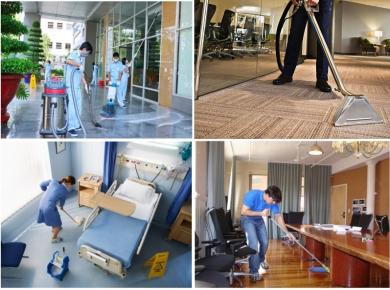


When should you choose deep cleaning vs regular cleaning?
Deep cleaning is a one-off, intensive reset, while regular cleaning is a repeatable routine that keeps the home consistently manageable. To control spending, match the package to how “set-in” the dirt is, agree on a clear scope by zone, then verify results against a checklist. A practical flow is: quick walkthrough, scope confirmation, cleaning from top to bottom, and step-by-step handover checks.
- Assess dirt level and priority zones
- Confirm scope by room and surface
- Set a frequency that fits daily habits
- Check deliverables with a checklist

A clean home isn’t only about appearance—it also helps reduce odor, dampness, and the constant feeling of clutter. “Deep cleaning vs regular cleaning: which package optimizes cost?” is a common question, and many people pick based on instinct, then either overpay for unnecessary tasks or under-scope and end up booking again. Phuong Gia Foundation often recommends starting with real hotspots: kitchen buildup, bathroom scale, and hidden corners that quietly collect grime. Once you separate a “reset clean” from a “maintenance clean,” it becomes easier to set scope, choose a sensible cadence, and avoid surprise add-ons.
What’s the real difference between deep cleaning and regular cleaning?
Deep cleaning targets accumulated grime and hard-to-reach areas, making it the better option when you need a full reset. Regular cleaning focuses on keeping the home stable and easy to maintain, so dirt rarely becomes “heavy work.” The biggest differences are scope, how detailed the work goes, and how much hands-on time each zone typically requires.
Typical scope by package
Think of it as depth of intervention: deep cleaning moves beyond visible surfaces into corners and stubborn buildup, while regular cleaning concentrates on frequent-use areas. This distinction prevents a common mismatch—expecting maintenance visits to deliver the same outcome as a reset clean.
- Deep cleaning: kitchen buildup, bathrooms, glass, baseboards, under/behind furniture.
- Regular cleaning: floors, dusting surfaces, light kitchen/bath upkeep, tidying and trash.
- Common complexity drivers: lots of items, delicate finishes, long-set stains.
When you want to cross-check deep-clean deliverables by zone (kitchen, bathrooms, glass, floors, crevices), using a full deep-clean package overview helps you lock the scope before work begins.
Quick pros-and-cons comparison
The table below clarifies what each option does well and where it can disappoint if expectations aren’t aligned. If your goal is cost control, the “limitations” column is often where hidden rework or add-ons originate.
| Criteria | Deep cleaning | Regular cleaning |
|---|---|---|
| Goal | Reset and remove buildup | Maintain consistent cleanliness |
| Pros | Addresses long-set grime | Predictable and easy to schedule |
| Cons | Scope gaps can cause add-ons | Not ideal for heavy buildup |
| Common risks | Missed details or wrong method on finishes | Too-infrequent visits let grime accumulate again |
What actually drives cost and “value for money”?
Cost isn’t determined by the package name—it’s driven by real soil level and the amount of manual work required. The best value comes from defining the outcome: a one-time reset or a stable, repeatable baseline. When scope and handover standards are agreed upfront, avoidable extras tend to drop significantly.
Factors that commonly increase workload
Instead of asking “which is cheaper,” check these drivers to forecast effort and avoid a blown plan:
- Area and item density: more items means more moving and detailing time.
- Stubborn residues: kitchen grease, water scale, mildew, long-set stains.
- Delicate finishes: coated wood, polished stone, large glass, scratch-prone steel.
- High-moisture zones: kitchen, bathrooms, balcony edges.
- Special requirements: low odor, gentler products, anti-slip priorities.
A simple self-estimate method before booking
Spend 10–15 minutes and you’ll have a much clearer “job brief”:
- Walk through once and note the heaviest zones and causes.
- Mark must-hit areas: kitchen, bathrooms, glass, floors.
- List surfaces needing caution (easy-scratch, easy-stain, newly repaired).
- Agree on handover criteria: visible cleanliness, no streaks, minimal residual smell.
A workflow that reduces add-ons and protects quality
A clear workflow controls cost because it reduces rework and prevents scope misunderstandings. The key is survey and scope confirmation before starting, then checking by stages instead of waiting until the end. When each step has a standard, issues surface early and can be fixed with less time and friction.
Recommended steps for both packages
Whether you’re doing a reset clean or a maintenance visit, the same framework applies. Regular cleaning usually trims the “heavy-detail” steps, while deep cleaning expands them in high-buildup areas.
- Assess current condition and confirm scope by room/zone.
- Prepare tools appropriate for each finish; protect dust-prone points.
- Work top-to-bottom, then dry-to-wet to avoid re-soiling.
- Treat tough spots safely (test a small hidden area first).
- Handover using a checklist, documenting what’s done.
Common mistakes—and how to avoid them
Most problems aren’t from “not doing enough,” but from using the wrong method on sensitive surfaces. In Phuong Gia Foundation’s on-site experience, taking before-condition photos and noting finishes (stone, wood, glass) upfront reduces disputes and prevents accidental scuffs or dulling.
- Skipping a spot test: can cause discoloration or residue marks.
- Using rough cloth on glass: increases micro-scratches and streaking.
- Over-wetting wood floors: can swell edges and leave water lines.
- Ignoring ventilation: lingering damp smell feels “not truly clean.”
Which package fits your situation best?
The right choice depends on your home’s condition and your goal, not habit. If you need to bring the home back to a clean baseline—after handover, renovation, or long neglect—deep cleaning is usually the efficient starting point. Once the space is stable, a maintenance schedule keeps effort and disruptions low.
New handover or moving in
This scenario often includes fine dust, tiny paint/adhesive specks, and corners that haven’t been detailed. A one-time reset prevents dust from bonding and becoming harder to remove later.
- Best fit: deep cleaning focused on priority zones.
- Watch-outs: glass, floors, and kitchen surfaces collect fine dust.
After repairs or repainting
Post-work debris like gypsum dust and construction grit won’t be handled well by maintenance-only visits. If your goal is to live comfortably quickly, a reset clean is typically more effective—especially in dust-trapping areas.
- Best fit: deep cleaning after construction dust settles.
- Watch-outs: newly finished surfaces may need gentler methods.
Homes with kids, allergies, or pets
Consistency matters most here: hair, fine dust, and odors build up fast in lived-in zones. Regular cleaning helps maintain a stable “clean threshold” instead of letting dirt reach heavy-buildup territory.
- Best fit: regular cleaning with focus on floors and wet zones.
- Watch-outs: ensure airflow and avoid overly strong scents.
Rental units or frequent guests
When users change often, a predictable routine reduces the chance of lingering odor or neglected grime. If the unit was vacant for a long time, a reset clean first usually makes later maintenance faster and cheaper.
- Best fit: regular cleaning, with extra attention to wet areas.
- Watch-outs: use the same handover checklist every time.
If you prefer a single point of contact for scoping, staffing, and staged handover, referencing a whole-home cleaning service scope can help standardize tasks from the start.
Short case: from reset clean to maintenance
Phuong Gia Foundation once handled an apartment left vacant for months, with visible kitchen grease and heavy bathroom scale. After a reset clean to “re-baseline” the space, the homeowner moved to a steady maintenance rhythm—later visits stayed lighter, faster, and far less prone to add-ons.
A checklist to prevent missed spots before–during–after
A checklist is the cheapest way to reduce mistakes because it turns “feels clean” into specific deliverables. With a shared list, you can track progress and avoid end-stage disagreements at handover. A good checklist also helps you decide what needs a reset clean versus what can stay in maintenance.
For an easy room-by-room reference during handover, use a room-by-room home cleaning checklist as a practical verification framework.
Before starting
Small prep steps reduce waiting time and prevent redo work. These are simple but effective:
- Put away fragile items and small electronics; secure documents.
- Note easy-scratch finishes and recently repaired or painted spots.
- Confirm priorities: kitchen, bathrooms, glass, floors.
During cleaning
Stage checks catch issues early while they’re still easy to fix. This matters most in deep cleaning:
- Work top-to-bottom to prevent dust falling onto finished areas.
- Check streaks on glass/floors while still slightly damp.
- Remind: test products in a hidden corner before full use.
After finishing
Zone-by-zone handover prevents forgotten corners and avoids “clean here, dirty there.” Focus on commonly missed points:
- Under cabinets, baseboards, tight corners, behind doors.
- Kitchen: grease patches, handles, edges, crevices.
- Bathrooms: scale, floor corners, drain area.
- Ventilate 15–30 minutes to reduce damp odor.
Frequently asked questions (FAQ)
I just repainted—what should I book first?
If fine dust and paint specks remain, a reset clean is often more suitable, but methods should be gentle on newly finished surfaces.
Can regular cleaning replace deep cleaning?
Regular visits maintain a stable baseline, but long-set buildup usually needs a one-time reset to clear the “root” grime.
If my home has lots of items, is deep cleaning still worth it?
It can be, but you should confirm whether moving items is included so added handling time doesn’t become unexpected extras.
How do I reduce odor after cleaning?
Ventilate well and do a light wipe with clean water on smell-holding surfaces; avoid sealing the space immediately after finishing.
When should I switch from deep cleaning to regular cleaning?
Once the home reaches a stable, easy-to-maintain state, a maintenance schedule keeps it consistent and reduces future heavy buildup.
Conclusion
Deep cleaning vs regular cleaning: which package optimizes cost? The most cost-effective choice is the one that matches timing and scope, not the biggest package. If your home is new, post-renovation, or has long-set grime, a reset clean usually removes the hardest problems efficiently. When the space is stable, routine maintenance keeps it consistently comfortable and prevents buildup from returning. Phuong Gia Foundation recommends confirming a checklist, staged handover standards, and any surface cautions (glass, electronics, newly finished areas) before work starts. Getting those basics right early saves time, reduces redo work, and minimizes unnecessary add-ons.