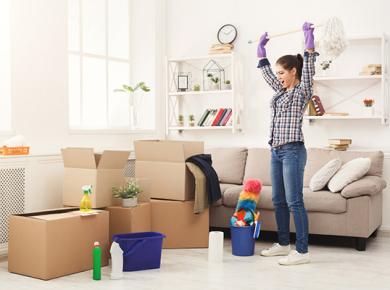


How can you clean the whole house without making the work feel overwhelming?
Whole-house cleaning works best when you follow a clear order instead of cleaning whatever catches your eye first. The most practical approach is to divide the home into small zones, sort and remove unnecessary items, clean from top to bottom, and then check the areas that are easy to miss so the space feels both cleaner and easier to maintain.
- Divide the house into zones first
- Sort items and remove clutter
- Clean in a fixed order
- Recheck hidden dusty areas

Many homes gradually become harder to clean because dust builds up in corners, everyday items spread across surfaces, and each cleaning session starts to feel bigger than it should. For Phuong Gia Foundation, the right mindset is not trying to do everything at once, but breaking the work into manageable parts so the home can be cleaned more thoroughly without disrupting daily life.
What should you prepare before starting to save time and effort?
Good preparation makes cleaning faster, smoother, and less tiring. The key is to identify how dirty each area is, prepare the right tools, and decide the cleaning order before you begin.
For an ordinary home with regular dust and daily-use mess, basic tools and a simple plan are usually enough. When different areas have different types of dirt, it is more helpful to think in terms of tasks and surfaces rather than trying to clean everything in the same way.
- Basic tools: broom, mop, microfiber cloths, small brush, gloves, trash bags, and a vacuum if available.
- Cleaning solutions: floor cleaner, glass cleaner, degreaser, and bathroom cleaner. Do not mix chemicals unless you know they are safe together.
- How to divide the work: by room or by task such as decluttering, dusting, kitchen cleaning, and floor cleaning.
- Safety basics: keep the space ventilated, wear gloves when needed, and avoid standing on unstable chairs to reach high spots.
What are the 5 steps to clean deeply while keeping the home organized longer?
The easiest way to clean well is to follow the same sequence every time. This helps you control the workload, reduce repeated effort, and avoid missing the places that make the house feel dusty again very quickly.
Step 1: Declutter and remove items you no longer use
A home cannot feel truly clean if floors, tables, and corners are still crowded with unnecessary things. Start by sorting items into four groups: keep, put back, throw away, and clean separately.
- Clear the floor, table surfaces, shelves, and seating areas first.
- Avoid moving clutter randomly into another room.
- Focus on opening up visible space before deep cleaning.
Step 2: Dust from top to bottom
Dust always falls downward, so the correct order is ceiling, fan, lights, cabinet tops, furniture, and then the floor. If you reverse that order, areas you already cleaned will become dusty again.
- Wipe ceiling fans, light fixtures, door frames, cabinet tops, and window edges.
- Use a dry or slightly damp cloth depending on the surface.
- Use an extension tool for high areas instead of climbing unsafely.
Step 3: Clean each surface the right way
Different materials need different cleaning methods if you want them to stay clean without damage. Glass, wood, stainless steel, tile, and greasy kitchen surfaces do not respond well to the same products or wiping technique.
- Glass: use a soft cloth and a squeegee to reduce streaks.
- Wood: use a well-wrung cloth and avoid leaving water on the surface.
- Stainless steel: wipe in one direction for a more even finish.
- Kitchen surfaces: remove grease first, then wipe again with a clean cloth.
- Bathroom areas: clean the sink, faucet, toilet, grout lines, and floor drain area carefully.
Step 4: Clean the floors and high-touch points
The floor should be cleaned only after loose dust and clutter have been handled. This is also the best time to clean the surfaces people touch often, because they strongly affect how clean the home feels overall.
- Sweep or vacuum along skirting boards, under the bed, and under the sofa.
- Mop the floor in small sections for better control.
- Do not forget door handles, switches, railings, and remote controls.
Step 5: Recheck the space and organize for longer-lasting order
The final step is not only about appearance. It also helps the home stay more manageable in the days after cleaning. When items go back to fixed places and surfaces stay open, future cleaning becomes much easier.
- Walk through each room from the entrance and check it again.
- Return items to their regular places.
- Keep desks, shelves, and walkways as clear as possible.
- Create a short weekly reset for the kitchen, bathroom, and shared living areas.
Which parts of the house are usually missed during cleaning?
The most commonly missed areas are not always the most visible ones. They are usually the spots that trap dust, odor, or residue over time and quietly make the whole house feel less clean.
In many homes, sliding door tracks, skirting boards, upper cabinet surfaces, and the spaces behind furniture collect far more dirt than expected. These places should be checked carefully, especially when the home has not been cleaned deeply for a long time.
- Sliding door tracks and window edges
- Skirting boards and narrow wall corners
- Top surfaces of refrigerators, cabinets, and washing machines
- Range hood filters and bathroom exhaust fans
- Under the bed, under the sofa, and behind curtains
- Light switches and door handles
When should you do it yourself, and when should you get help?
Doing it yourself makes sense when the home is not too large, the dirt level is moderate, and you can divide the work across one or two sessions. Getting help becomes more practical when the workload is heavy, fine dust is involved, or the house needs to be cleaned within a short time.
The main difference comes from the condition of the surfaces and the amount of follow-up work required. Homes with post-renovation dust, heavy grease, or long-neglected buildup often take much more effort than people expect at first glance.
- Do it yourself when: the home is small, lightly dirty, and you have enough time and tools.
- Get help when: the house has multiple floors, many glass surfaces, heavy buildup, or needs quick turnaround.
- Think carefully when: the home includes small children, older adults, or people sensitive to chemicals or strong smells.
How can you keep the home clean and organized for longer after a deep clean?
A home stays clean longer when daily habits support the result. If the house is cleaned deeply once and then returns to the same clutter pattern, the sense of order disappears quickly.
The most sustainable approach is to reduce how many items stay on visible surfaces, assign a clear place for everyday objects, and deal with small messes before they become large ones. A short, regular reset is often more effective than waiting until everything feels out of control again.
- Wipe kitchen surfaces daily after cooking.
- Give each frequently used item a fixed place.
- Avoid piling clothes, paper, and small objects on tables.
- Clean the bathroom and trash area on a fixed weekly schedule.
- Set aside 10 to 15 minutes a day to restore basic order.
Frequently Asked Questions (FAQ)
How often should whole-house cleaning be done?
For a typical home, a deep clean once a month or once every few months is common. Homes near busy roads, with pets, children, or frequent cooking usually need it more often.
Which room should I start with first?
Start with the most-used area or the dirtiest one. Then move in a top-to-bottom and inside-to-outside order so you do not repeat work.
Can I use one cleaning product for the entire house?
It is better not to. Different surfaces react differently, and using the wrong product can leave marks or reduce the life of the material.
Does a home need a different cleaning approach after light renovation?
Yes. Fine dust, paint residue, glue traces, and powder in small gaps usually need more careful checking than ordinary daily dirt.
What is the best way to keep the home tidy after a deep clean?
Keep surfaces less crowded, return items to their place after use, and follow a short weekly routine. That combination is usually the most effective way to keep the house stable longer.
Conclusion
Whole-house cleaning is a practical choice for families who want to clean deeply, reorganize living space, and reduce the buildup of clutter over time. When the 5 steps are followed in the right order, the work becomes easier to manage, repeated wiping is reduced, and the home stays comfortable for longer after each cleaning session. This approach is especially useful for homes that have not had a deep clean in a while, homes with too many small items spread across surfaces, or homes that need a full reset after a busy period. If you are unsure where to begin, start by reviewing each area based on its actual condition and choose the most realistic plan from there.
Quick Summary: This guide focuses on a 5-step method for deep cleaning and organizing the home more effectively. It suits households that need a periodic reset, have accumulated clutter, or want a cleaner and more manageable living space. The next step is to assess each area and decide whether a simple self-cleaning plan is enough or whether heavier tasks need extra support.