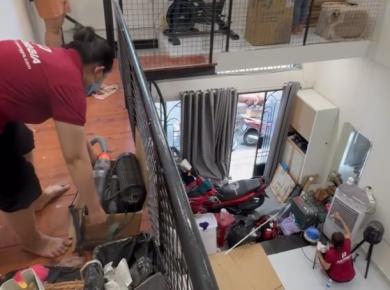


How can you remove fine dust and paint odor to safely move in?
Fine dust and fresh paint odor tend to linger because particles settle into gaps, cling to surfaces through static electricity, and become trapped in poorly ventilated rooms. An effective approach is to remove coarse debris first, vacuum thoroughly with proper filtration, wipe surfaces in the correct order, then eliminate odors through ventilation and absorbent materials. A final inspection step helps prevent dust from returning.
- Dry cleaning before wet wiping
- Top-to-bottom sequence
- Focus on gaps and hidden areas
- Ventilation instead of masking odors

After construction is completed, many homes still experience hazy glass surfaces and lingering paint smells that make rooms uncomfortable. The root cause is usually fine dust trapped in sliding tracks, cabinet tops, door frames, and horizontal surfaces that were not thoroughly vacuumed. Based on hands-on experience from Phương Gia Foundation, long-lasting results depend on correct sequencing, suitable tools for each material, and targeted inspections of overlooked areas. With the steps below, homeowners can clean safely and know when professional help is the better option.
Identifying dust sources and odor-retention points before cleaning
Lasting cleanliness starts with knowing where dust settles and why odors persist. Fine dust commonly accumulates on elevated horizontal surfaces and mechanical gaps, while paint odor remains longer in poorly ventilated rooms. Identifying these “hot spots” prevents repeated cleaning.
- Cabinet tops, false ceilings, light fixtures collect falling dust.
- Sliding tracks, hinges, skirting gaps compress fine particles.
- Air vents and exhaust fans trap dust and re-release it.
- Poorly ventilated spaces retain paint odor.
If glass still looks cloudy under angled light or dust reappears hours after wiping, key areas were likely missed. When paint odor intensifies after doors are closed for 15–20 minutes, airflow is insufficient or odor-retaining surfaces remain untreated.
Preparation and safety: doing it right from the start
Proper preparation reduces airborne dust and prevents recontamination. Respiratory protection matters more than short-term comfort, and isolating work zones helps control dust spread. Homes with children, sensitive occupants, or pets should prioritize low-chemical methods and steady ventilation.
Essential tools to prepare
You do not need many tools, but the right ones matter. HEPA (High-Efficiency Particulate Air) filtration captures fine particles effectively, while microfiber cloths trap dust efficiently during damp wiping.
- Vacuum cleaner with crevice tools, preferably HEPA-filtered.
- Multiple microfiber cloths, mop, and buckets.
- Soft brushes, dusting tools, glass squeegee.
- Masks, gloves, eye protection for dusty areas.
Area isolation and workflow planning
Close off rooms not being cleaned and open windows in active areas to create airflow. Avoid strong fans during dry dust removal, as they can lift particles back onto cleaned surfaces.
For scope comparison and planning, you may reference industrial cleaning service categories to determine which tasks are suitable for DIY and which often require specialized tools.
Four-step fine dust removal process: dry first, wet after, inspect last
Effective dust removal follows a top-down approach room by room. Correct vacuuming technique matters more than repeated wiping, and hidden gaps define whether a space truly feels clean. Skipping proper vacuuming turns damp wiping into a thin layer of residue.
Step 1: Remove coarse debris
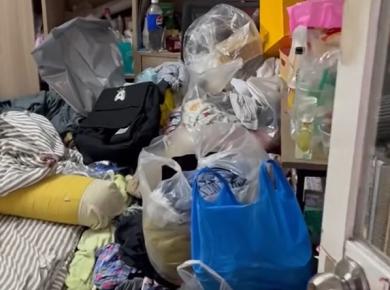
Collect tape, plastic coverings, loose material fragments, and surface powder before vacuuming. This prevents scratches and clogging.
- Bag debris separately and seal before disposal.
- Avoid dry sweeping that redistributes dust.
Step 2: Vacuum fine dust with proper technique
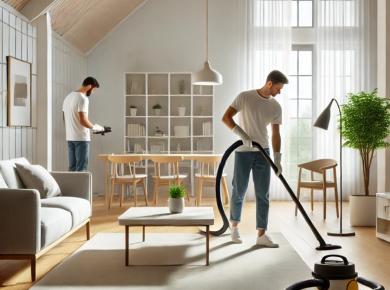
Vacuum slowly in straight passes, keeping the nozzle close to the surface. Always start from higher areas and move downward to prevent dust from settling onto cleaned zones.
- False ceilings, light fixtures, cabinet tops, curtain rails.
- Glass, door frames, handles, horizontal surfaces.
- Use crevice tools for tracks, hinges, and wall edges.
Step 3: Damp wipe using the two-bucket method
After thorough vacuuming, use damp microfiber cloths to capture remaining particles. One bucket for rinsing and one with clean water prevents spreading dirt across surfaces.
- Wring cloths thoroughly to avoid water seepage.
- Wipe in one direction to prevent smearing.
- Change cloths once they turn gray.
Step 4: Final inspection to prevent dust return
Check glass under angled light and wipe flat surfaces with a white cloth. If residue remains, revisit vacuuming at gaps and elevated points before re-wiping.
To ensure no steps are missed, post-construction home cleaning workflows provide a clear room-by-room reference.
Removing paint odor: ventilation first, absorption second
Paint odor mainly comes from volatile organic compounds (VOCs) and fades faster when indoor air is regularly replaced. Ventilation is more effective than masking scents, and dusty surfaces retain odor longer. Always remove dust before odor treatment.
Creating proper cross-ventilation
Open opposing windows or combine doors and windows to form airflow paths. When using fans, position them to blow air outward, pulling stale air from the room.
- Cross-ventilation works better than single openings.
- Avoid sealing rooms for long periods.
Low-risk odor absorption methods
Activated charcoal, baking soda, and coffee grounds passively absorb odors and suit occupied homes. Place them near odor sources and replace when effectiveness declines.
- Keep charcoal containers breathable.
- Place baking soda out of children’s reach.
- Avoid excessive fragrance use.
Safety notes when using cleaning solutions
Do not mix cleaning chemicals, as reactions may release irritants. For newly painted surfaces, use neutral cleaners and test on hidden areas first.
When to hire professional post-construction cleaning services
If dust returns quickly despite correct cleaning, fine particles likely remain in vents, ceilings, or inaccessible gaps. Persistent paint odor in enclosed rooms also benefits from professional assessment of airflow and odor-retention points. When time is limited or tools are insufficient, professional services reduce rework.
Signs professional help is advisable
Consider support if you encounter the following situations, which commonly prolong DIY cleaning efforts.
- Hazy dust reappears on glass within days.
- Powder residue remains in tracks or hinges.
- Occupants are sensitive to odors or dust.
- Extensive new furniture with many gaps.
How to choose the right service provider
Clarify cleaning scope, dust-handling methods, and inspection criteria in advance. Phương Gia Foundation advises confirming attention to tracks, vents, cabinet tops, and glass clarity to align expectations.
For newly completed apartments, comprehensive home cleaning services can shorten turnaround time and reduce missed details.
Frequently Asked Questions (FAQ)
Why does fine dust reappear after cleaning?
Hidden areas were not fully vacuumed, or dirty cloths spread residue into thin films.
Does air conditioning remove paint odor?
Air conditioners mainly recirculate air and may trap odors without proper ventilation.
Can charcoal replace ventilation?
No. Absorption supports odor reduction, but ventilation removes contaminated air.
How do I know the dust is fully removed?
Angled light inspection and clean white-cloth wipes without residue indicate success.
Are strong chemicals better for faster cleaning?
Not always. Neutral solutions are safer for new paint and finished surfaces.
Conclusion
Successfully removing fine dust and paint odor after construction depends on sequence and inspection rather than repeated wiping. Start with coarse debris removal, vacuum elevated and hidden areas thoroughly, then damp-wipe using correct methods. For odor control, prioritize ventilation to expel stale air before relying on absorbent materials. When homes contain many concealed gaps, limited equipment, or tight move-in timelines, Phương Gia Foundation offers structured support to ensure a clean, comfortable handover.