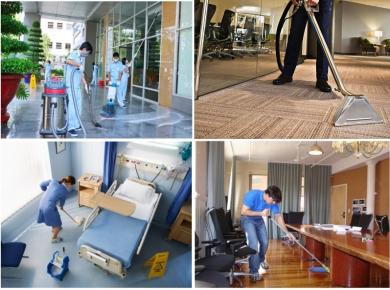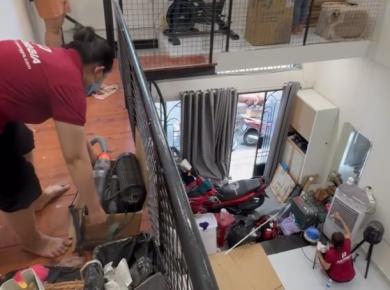


After renovation, many homes may look clean at first glance, but fine dust, cloudy glass, sticky door tracks, unpleasant bathroom odors, or dried glue around the kitchen can still appear after a few days. The problem usually does not come from the visible areas. It often comes from narrow gaps, hidden corners, cabinet tops, wall edges, and places blocked by furniture.

Quick answer: The most commonly missed spots when cleaning a house after renovation include sliding door tracks, aluminum door gaps, cabinet tops, areas under furniture, baseboards, electrical outlets, glass edges, silicone seams, balconies, floor drains, bathrooms, kitchens, air conditioners, stair edges, and soft furniture. These areas can trap fine dust, paint marks, glue, cement residue, and damp odors even after the floor has been cleaned.
That is why post-renovation cleaning should not stop at sweeping the floor and removing large debris. To make the home truly ready for use, you need a clear checklist, proper inspection, and the right cleaning method for each type of stain or residue.
Why does a renovated home still have dust after cleaning?
Post-renovation dust is usually fine dust from cement, wall putty, plaster, gypsum, wood, tiles, or dried paint. This type of dust is light, spreads easily, and settles into narrow spaces such as door tracks, cabinet gaps, ventilation grilles, baseboards, and high surfaces.
Another common issue is that many areas become hidden after furniture is installed. Spaces under cabinets, behind sofas, below sinks, under hanging kitchen cabinets, and between the wall and furniture are easy to miss if cleaning is done without a checklist.
Paint stains, silicone residue, dried cement, and construction adhesive can also be difficult to see under normal lighting. A surface may look clean from a distance, but when checked with a flashlight or touched by hand, it may still feel rough, sticky, or covered with a thin white layer of dust.
Quick checklist of areas to inspect after renovation
| Area | Commonly missed spots | Signs to check |
|---|---|---|
| Doors and glass | Sliding door tracks, aluminum gaps, silicone edges, glass frames | Heavy sliding movement, cloudy glass, glue residue, white dust |
| Furniture | Cabinet tops, under beds, under sofas, cabinet gaps | Dust returns after using fans or opening doors |
| Floors and walls | Baseboards, wall-floor joints, stair edges | Rough surface, cement residue, paint marks, white powder |
| Electrical and ventilation areas | Switches, outlets, lights, air conditioners, exhaust fans | Dust around covers, dust blown out from air vents |
| Wet areas | Toilets, sinks, shower areas, balconies, floor drains | Damp smell, white residue, slow drainage |
| Soft furniture | Curtains, sofas, mattresses, fabric chairs | Dusty smell, itchy surface, fine powder on fabric |
Commonly missed spots when cleaning a house after renovation
Sliding door tracks, aluminum gaps, and glass door edges
Sliding door tracks often collect cement dust, sand, aluminum particles, paint chips, and small construction debris. If the inside of the track is not cleaned properly, the door may become difficult to slide, make noise, or get dirty again quickly even after the glass has been wiped.
To clean this area, use a vacuum cleaner with a narrow nozzle first. Then use a soft brush or a damp cloth wrapped around a thin tool to clean deeper inside the rail. Glass edges, rubber seals, and aluminum frames should also be checked because dried glue and fine dust often form a thin line along these areas.
Kitchen cabinet tops, wardrobe tops, and high shelves
High surfaces are among the most commonly forgotten areas because they are not within normal eye level. After renovation, the top of kitchen cabinets, wardrobes, decorative shelves, bathroom cabinets, or technical boxes may be covered with a thick layer of fine dust, especially if the home has had wall sanding or ceiling work.
These high areas should be cleaned before the floor. Otherwise, dust from the cabinet tops will fall back down and make the floor dirty again. In the kitchen, pay attention to the gap between the cabinet and ceiling, the underside of hanging cabinets, and cabinet edges near drilled or installed areas.
Under cabinets, beds, and sofas
Furniture bases often hide tile fragments, wood dust, wire ends, packaging pieces, cement dust, and fallen screws. These hidden areas are easy to miss once furniture has been placed close to the wall.
If the furniture can be moved, pull it out and inspect the area before the final cleaning. If it cannot be moved, use a flat vacuum nozzle, a thin mop, or a long cloth to reach inside. Do not only clean the visible floor area, because dust under the furniture can continue to spread during daily use.
Baseboards and wall-floor joints
Baseboards and wall-floor joints often collect paint marks, dried cement, wall putty, or white dust after renovation. These stains are not always obvious when viewed from above, so they are often missed during the first cleaning round.
The best way to check is to shine a flashlight horizontally along the floor. If the baseboard line looks cloudy, rough, or covered with white residue, clean it again using a damp cloth, soft brush, or a suitable scraper. For wooden floors, stone floors, or glossy tiles, avoid using sharp tools too aggressively because they can leave scratches.
Switches, outlets, electrical covers, and lighting areas
During renovation, workers often drill, cut, paint, or apply wall putty near switches, outlets, and lighting fixtures. Fine dust may settle around electrical covers, socket edges, wall lights, recessed lights, and small gaps around electrical boxes.
These areas should be cleaned with a dry cloth or a slightly damp cloth. Do not spray water directly onto outlets, switches, or lighting fixtures. If deeper cleaning is needed, turn off the power in that area first for safety.
Glass panels, glass frames, and silicone edges
Glass surfaces after renovation are often cloudy because of white dust, fingerprints, water marks, tiny paint specks, silicone residue, or dried cement. The center of the glass is easy to wipe, but the edges, frames, and silicone seams are where stains often remain.
Clean the glass in small sections and inspect it from different angles of light. Dried glue or paint should be removed with suitable tools. Avoid scraping carelessly with a hard blade because it may scratch the glass or damage the silicone edge.
Balconies, floor drains, and laundry areas
Balconies are often used to store materials, wash tools, place paint buckets, or collect temporary construction waste. As a result, balcony floors may still have dried cement, paint marks, tile dust, dirty water residue, and damp smells near the floor drain.
Check the floor drain, railing base, wall corners, washing machine area, and space under the drying rack. If the drain is blocked by residue, water may drain slowly and create odors after a few days of use.
Bathrooms, shower heads, sinks, and toilet bases
Bathrooms usually contain more post-renovation residue than expected. Commonly missed spots include the toilet base, the area behind the sink, mirror edges, shower heads, shower door tracks, floor corners, and floor drains.
If there is cement residue or glue around sanitary fixtures, it should be removed early. Once exposed to water repeatedly, the residue can become harder to clean and may make the bathroom look old or dirty faster.
Kitchen areas, countertop gaps, and the underside of hanging cabinets
The kitchen has many narrow spaces that easily trap dust. The gap between the countertop and wall, sink edges, cabinet bases, underside of hanging cabinets, range hood area, and kitchen outlets all need separate inspection.
The best cleaning order is from top to bottom: cabinet tops, underside of hanging cabinets, kitchen wall, countertop, countertop gaps, sink, cabinet base, and finally the floor. Since this is a food preparation area, fine dust and construction odors should be removed carefully before daily use.
Air conditioners, exhaust fans, and ventilation grilles
Air conditioners, exhaust fans, and ventilation grilles can collect fine dust during construction. If the floor is cleaned but the air vents are ignored, dust may be blown back into the room when the system is turned on.
Check the air conditioner cover, filters, air vents, bathroom exhaust fan, and ventilation openings. If the home has had wall sanding, drilling, cutting, or ceiling work, remove and clean the filters instead of only wiping the exterior.
Stairs, handrails, and stair edges
Stairs are used frequently during renovation, so they easily collect dust, footprints, small paint marks, and construction debris. Stair edges, landing corners, railing bases, and the underside of handrails are often still dirty after a quick clean.
Clean the stairs from the top floor down. Handrails should be wiped several times because dust and hand marks are common. For wood, polished stone, or new tiles, choose a suitable cloth and cleaning solution to avoid dulling the surface.
Curtains, sofas, mattresses, and soft furniture
Curtains, sofas, mattresses, and fabric chairs can hold fine dust for a long time. If these items were inside the home during renovation, dust may settle deep into the fabric and create an unpleasant smell even when the surface does not look dirty.
Vacuum them thoroughly with the right attachment. Lightly pat the fabric to release hidden dust, then vacuum again. If curtains or removable covers can be washed, they should be cleaned before regular use. Soft furniture is often underestimated because it does not show stains as clearly as glass or flooring.
How to inspect a renovated home before handover
Before handover, use a flashlight at a low angle to inspect the home. When light shines horizontally across the floor, glass, baseboards, or stone surfaces, fine dust and glue marks become much easier to see than under normal ceiling lights.
You should also touch surfaces such as glass, shelves, cabinets, handrails, kitchen countertops, and floors. If the surface feels sticky, rough, or leaves a white layer on your hand, it still needs more cleaning.
Open sliding doors, pull curtains, turn on lights, open drawers, check under furniture, and inspect every joint or edge. The inspection should move from top to bottom and from inside to outside.
If you find paint marks, glue, cement residue, or fine dust, take photos of those spots so they can be handled in the final cleaning round. This helps avoid missing the exact areas that need extra attention.
When should you clean it yourself, and when should you hire a cleaning team?
You can clean the home yourself if the renovation was minor, dust levels are low, there are not many glass surfaces, and there are no difficult glue or paint stains. For example, small fixture replacements, a minor room repair, repainting one wall, or simple furniture installation may not require a professional team.
You should consider hiring a cleaning team if the home has a lot of fine dust, large glass panels, new flooring, installed kitchen cabinets, newly finished bathrooms, multiple floors, or a tight move-in schedule. These situations require better tools, suitable cleaning chemicals, and a more detailed inspection process.
Estimating the cost before post-renovation cleaning
The cost of post-renovation cleaning usually depends on the area size, number of floors, dust level, amount of glass, flooring condition, glue or paint stains, and handover deadline. The more hidden corners, installed furniture, and construction residue a home has, the more time and effort the cleaning process will require.
Before deciding whether to clean it yourself or hire help, inspect each area and estimate the actual workload. This will help you prepare the right budget, tools, and cleaning schedule.
Conclusion
The most commonly missed spots when cleaning a house after renovation are not always the obvious ones. They are usually sliding door tracks, aluminum gaps, glass edges, cabinet tops, furniture bases, baseboards, floor drains, air vents, exhaust fans, and soft furniture.
To make the home truly clean, use a checklist, inspect with a flashlight, touch key surfaces, and clean each type of stain properly. When hidden areas are cleaned carefully, dust is less likely to return, construction odors are reduced, and the home becomes ready for comfortable daily use.