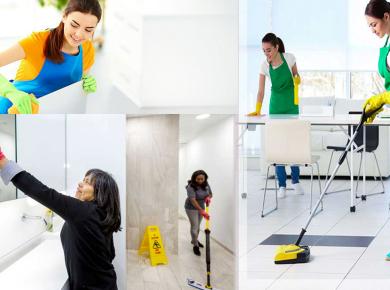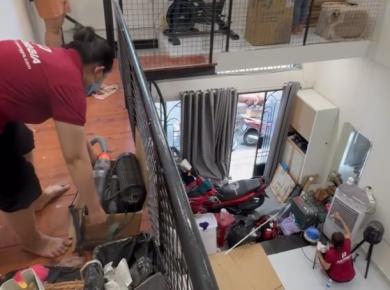


After construction is completed, wooden floors often accumulate fine dust, cement stains, paint, and stubborn adhesive marks. If cleaning is done improperly, the surface can scratch, fade, or swell due to moisture. This guide provides a step-by-step method for cleaning wooden floors after construction, including suitable cleaning agents, tools, and key precautions. Insights are based on real on-site maintenance experience from Phuong Gia Foundation, ensuring your floors remain durable, beautiful, and safe while minimizing cleaning time and cost.
Assess Floor Condition & Prepare Tools
Before starting the wooden floor cleaning process, inspect the type of wood (engineered, solid, or laminate), finish (UV or PU coating), and potential moisture-prone spots. Proper preparation avoids scratches and improves efficiency. Below is a recommended checklist drawn from field experience.
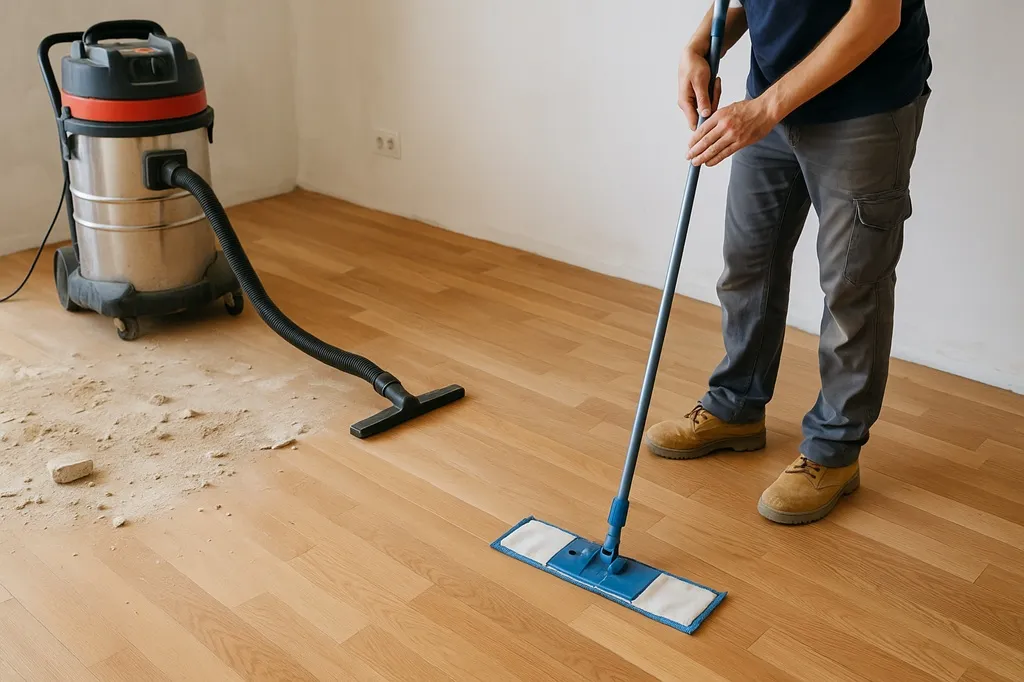
- Vacuum cleaner with soft brush head, microfiber cloths, and flat mop.
- Plastic scraper for paint/adhesive residue; melamine sponge for spot treatment.
- Buckets, spray bottles, garbage bags, protective sheets; gloves and masks for safety.
- Neutral pH wood floor cleaner, low-concentration isopropyl alcohol (IPA) for ink/adhesive stains, and sensitive-surface cement remover (test on hidden areas first).
Step-by-Step Cleaning for Different Types of Dirt
A structured approach—from dry to damp, clean to dirty—reduces abrasion. Always test products on a hidden spot first. Follow these steps to clean wooden floors effectively while protecting their finish.
- Dry debris removal: Gently sweep with a soft broom and vacuum to remove sand or grit without dragging it across the surface.
- Damp wiping: Dilute a neutral cleaner as instructed. Wring the mop until barely damp and wipe along the wood grain.
- Spot treatment: Dab melamine sponge gently on stubborn marks. For dried paint or adhesive, use a plastic scraper at a low angle—avoid circular scrubbing.
- Quick drying: Ventilate with fans and avoid steam cleaners or excess water to prevent warping.
Handling Cement, Paint, Adhesive, and Special Stains
Stubborn stains require targeted techniques to avoid damaging the protective layer. The aim is to soften, lift, and absorb—never forcefully scrape. Apply these safe methods for removing cement stains from wooden floors.
- Cement or filler: Dampen a cloth (not soaking), cover the stain for 5–10 minutes, then scrape gently with plastic. If needed, use a sensitive-surface cement remover after testing.
- Paint (water or oil-based): Apply a warm damp cloth or dilute IPA for 30–60 seconds, wipe gently along the grain, and repeat if required.
- Silicone/PU adhesive: Trim excess with plastic, soften with appropriate adhesive remover, and immediately wipe with neutral cleaner.
- Rust, ink, or beverage spills: Blot immediately with a dry cloth and clean with neutral solution; stubborn spots can be dabbed with dilute IPA before final neutral cleaning.
Final Wipe & Odor Removal
After treating individual stains, finish with an overall clean to balance shine and remove construction odors. This ensures a proper wooden floor wash and fresh indoor air.
- Mix wood floor cleaner per instructions. Use a clean microfiber mop, wrung very dry.
- Mop in sections of 1–2 m², rinsing frequently and changing water when dirty.
- Ventilate and run air purifiers or activated charcoal to reduce VOC (volatile organic compounds).
- Check under angled light for streaks and touch up if necessary.
Common Mistakes to Avoid
Many surface issues come from improper cleaning habits. Recognize and avoid these to preserve your floor’s finish and reduce costly repairs when cleaning wooden floors after construction.
- Using strong alkaline/acidic cleaners, gasoline, or untested paint solvents that dull or bubble the coating.
- Flooding the floor with water or using direct steam cleaning, which can warp joints.
- Scraping with knives or metal tools, leaving deep scratches.
- Cleaning the entire floor with one dirty cloth, causing streaks and greasy residue.
Post-Cleaning Maintenance for Lasting Shine
Proper aftercare extends the floor’s lifespan and keeps its natural luster. Small daily habits can make a big difference in long-term durability.
- Place doormats and felt pads under furniture; avoid dragging heavy objects.
- Wipe spills immediately and maintain indoor humidity at 45–60 % to prevent shrinkage or swelling.
- Vacuum 2–3 times per week and damp-mop once or twice weekly.
- Polish or refresh the protective coating every 6–12 months, as recommended by the manufacturer.
When to Hire Professional Cleaning Services
Not all stains should be handled alone. For large areas, complex residues, or urgent deadlines, consider professional help. Phuong Gia Foundation provides specialized post-construction cleaning with full wooden floor care.
- Areas over 100 m² or multi-surface projects (glass, stainless steel, ceilings) requiring coordinated cleaning.
- Unknown chemical or industrial adhesive stains needing expert treatment.
- Jobs requiring industrial equipment and surface-safety insurance.
FAQ
Can I mop wooden floors with warm water?
Yes, but only with a slightly damp mop. Warm water helps loosen dirt but never pour water directly or use steam cleaning to avoid swelling the wood.
Is vinegar or baking soda safe for removing cement stains?
No. Both are too acidic or alkaline and may damage the finish. Use a dedicated, wood-safe cement remover and test it first in an inconspicuous area.
Does melamine sponge scratch wooden floors?
Melamine sponges are mildly abrasive. Use them only on stubborn spots with gentle pressure along the grain and follow up with neutral cleaning.
What is the ideal routine for regular cleaning?
Vacuum 2–3 times per week and perform controlled damp mopping 1–2 times per week. In high-traffic areas like kitchens or entryways, increase the frequency. Polish every 6–12 months.
What should I do if I find gaps between boards after cleaning?
Stop damp mopping, ventilate to reduce humidity, and have a technician inspect the subfloor. Avoid DIY gap filling, which may discolor the edges.
Conclusion
The key to cleaning wooden floors after construction is a complete process: assessment, dirt-specific treatment, final wipe, and long-term care. Using the right tools, neutral cleaners, and avoiding harmful habits keeps floors beautiful and safe. For large or challenging projects, professional services can save time and costs. For comprehensive home and construction cleaning, contact Phuong Gia Foundation — Hotline: 0948952024 or 0824 255 585.