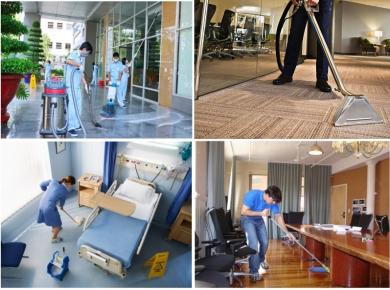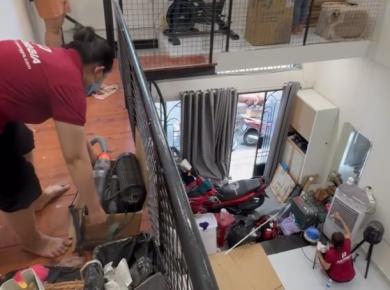


Post-renovation house cleaning differs from newly built house cleaning in scope, dust level, and cleaning method. A renovated home is usually dirty in specific areas where work has just been done, but it is harder to clean because furniture, cabinets, sofas, curtains, electrical appliances, and personal items may still be inside. A newly built home, on the other hand, usually requires full-scale cleaning after construction is completed, including cement dust, paint dust, construction adhesive, glass, floors, bathroom fixtures, stairs, balconies, and handover areas.

In simple terms, a renovated home is often “locally dirty but harder to handle because dust gets into furniture,” while a newly built home is often “dirty across the entire property and needs cleaning from rough surfaces to fine details.” Understanding this difference helps homeowners choose the right cleaning approach, avoid repeated cleaning, and reduce the risk of using the wrong chemical on glass, stainless steel, flooring, tiles, or stone surfaces.
What Makes Post-Renovation Cleaning Different from Newly Built House Cleaning?
The first difference lies in the actual condition of the home. A post-renovation home is usually a lived-in property where only part of the house has been repaired or improved. Common examples include repainting a room, renovating a kitchen, replacing bathroom tiles, installing a plaster ceiling, changing doors, drilling walls, or adding new furniture. Dust from the work area can spread to nearby rooms and settle in small gaps such as sliding door tracks, cabinet edges, bed frames, sofa corners, and skirting boards.
Meanwhile, a newly built house is usually a recently completed property with fewer personal belongings but much more construction dust across the whole space. Floors, glass panels, door frames, bathroom fixtures, kitchen cabinets, stairs, and balconies may still have mortar marks, paint stains, silicone residue, labels, cement dust, and small construction debris. A quick sweep or light mop may make the house look cleaner at first, but the floor can still feel gritty under bare feet, and white dust may quickly appear again.
That is why homeowners should first identify whether their property is partially renovated or newly completed before deciding whether to clean it themselves or hire a team. This helps define the right scope of work and reduces the chance of missing hidden dust.
Quick Comparison Between the Two Cleaning Needs
| Criteria | Post-Renovation House Cleaning | Newly Built House Cleaning |
|---|---|---|
| Property condition | A lived-in home or furnished space that has just been partially repaired | A newly completed house, apartment, office, or building |
| Cleaning scope | Focused on the renovated area and nearby spaces affected by dust | Full cleaning of the entire property before handover or move-in |
| Common dirt and residue | Paint dust, drilling dust, plaster dust, wood dust, adhesive marks, dust on furniture | Cement dust, mortar residue, paint stains, glass adhesive, labels, construction debris, dust inside cabinets and door tracks |
| Main difficulty | Protecting furniture and removing fine dust from an occupied home | Handling a larger workload, many new surfaces, and full-property cleaning standards |
| Common tools | Vacuum cleaner, microfiber cloths, mop, soft broom, mild cleaning chemicals, small-gap cleaning tools | Industrial vacuum cleaner, professional glass scraper, glass-cleaning tools, suitable adhesive and cement residue removers |
| Time required | May be shorter if the renovation is small, but can take longer if many furniture items need detailed cleaning | Usually longer because the entire property must be cleaned from top to bottom |
| Best suited for | Homes that have just been repainted, had a kitchen or bathroom repaired, flooring replaced, walls drilled, or a section renovated | New houses, apartments, villas, offices, or commercial spaces that need cleaning before handover |
What Usually Needs to Be Cleaned After Home Renovation?
In a post-renovation home, the most uncomfortable issue is usually not large debris but fine dust. After drilling, cutting, sanding, painting, or ceiling work, dust can form a thin layer on floors, tables, chairs, curtains, cabinets, electrical appliances, and hidden corners. Some homes may look fairly clean at first glance, but when you wipe a cabinet surface or open a sliding door track, you may still find white dust sitting inside.
Common tasks include removing small construction debris, vacuuming floors, wiping skirting boards, cleaning doors, glass, handles, switches, sockets, cabinets, shelves, kitchen surfaces, bathroom fixtures, and areas close to the repaired zone. If the bathroom or kitchen has been renovated, it is also important to check for cement residue, grout marks, silicone, dirt in floor drains, and lingering construction smells.
The tricky part is that a renovated home often already contains real household items. Scrubbing too hard or using the wrong chemical can discolor engineered wood, scratch glass, dull stainless steel, stain stone, or damage electrical appliances. A better cleaning order is to vacuum first, dry-wipe surfaces, treat stubborn stains carefully, then damp-wipe and inspect again.
For homes where several rooms have been repaired or dust has settled deeply into furniture and small gaps, hiring an experienced cleaning team may help reduce missed spots, especially in homes with children, older adults, or people sensitive to dust.
What Usually Needs to Be Cleaned in a Newly Built House?
Newly built house cleaning often involves a larger workload because the property has gone through many stages: masonry, tiling, painting, glass installation, door installation, bathroom fixture installation, cabinet work, electrical and plumbing work, and basic interior finishing. Each trade may leave behind a different type of residue, so cleaning should follow a clear process instead of only mopping the floor at the end.
Common areas include floors, skirting boards, glass, door frames, sliding door tracks, balconies, stairs, railings, bathroom fixtures, washbasins, toilets, showers, kitchen cabinets, countertops, switches, sockets, lighting fixtures, and cabinet interiors. Beyond visible dust, easy-to-miss areas include glass edges, sliding door grooves, tile joints, cabinet tops, corners behind toilets, and spaces under sinks.
A newly built house also has many stains that require proper handling. Adhesive marks on glass should not be scraped carelessly. Cement residue on tiles should not be treated with strong chemicals without knowing the tile type. Stone, stainless steel, wood, and bathroom fixtures should be tested in a small area before wider cleaning. Done correctly, the cleaning is faster and safer. Done incorrectly, it may leave scratches or stains that are difficult to fix.
If the entire property has just been completed and needs to be ready for handover or move-in, a full post-construction cleaning approach is usually more suitable than basic hourly cleaning.
When Should You Choose Post-Renovation Cleaning?
You should choose post-renovation cleaning when only part of the home has been repaired, but dust, odor, or stains have affected daily living. Common situations include repainting a bedroom, renovating a bathroom, replacing kitchen tiles, changing flooring, repairing ceilings, drilling walls, adjusting electrical or plumbing lines, installing cabinets, or upgrading one section of an apartment.
The key feature of this cleaning need is that dirt does not cover the entire property, but dust can spread into items that are already in use. If you only mop the floor and skip cabinets, shelves, curtains, doors, electrical appliances, and narrow gaps, the home may still feel dusty even when it looks tidy.
In this case, the priority should be careful vacuuming, layered surface cleaning, detailed cleaning of the directly affected areas, and a second check after dust settles. For homes that are still occupied, proper covering and moving of belongings are just as important as wiping and mopping.
When Should You Choose Newly Built House Cleaning?
You should choose newly built house cleaning when the property has just been completed and is about to be handed over, received, opened, or moved into. This is the stage where the entire space needs to be cleaned thoroughly to remove construction dust, check finishing quality, and prepare a clean base before furniture and personal items are brought in.
Common examples include a new apartment received from a developer, a newly built townhouse, a completed villa, an office after interior fit-out, or a commercial space preparing to operate. These properties often have cement dust, adhesive, paint stains, small debris, and construction marks across many surfaces.
If this step is skipped before moving in, dust can become trapped behind cabinets, under beds, in corners, and behind appliances. Cleaning later becomes much harder because furniture has to be moved, areas must be protected, and each small space has to be cleaned separately.
Why Are the Costs Different?
The cost differs because cleaning cannot be priced by area alone. A 100m2 home that only had one room repainted is very different from a 100m2 newly built apartment with glass adhesive, cement dust, and mortar residue across the floor. Pricing usually depends on the scope of work, dust level, number of floors, glass area, adhesive residue, paint stains, cement marks, amount of furniture, and required completion time.
Post-renovation cleaning may involve a smaller area, but it can take more time to protect and wipe existing furniture. Newly built house cleaning may have fewer belongings inside, but it usually involves more surfaces, more rooms, higher and lower areas, and more specialized tools.
The expected cleaning standard also matters. A basic clean before the next interior work stage will not cost the same as a detailed clean for immediate move-in. Urgent schedules, after-hours work, high glass areas, or long-dried cement residue can also increase the cost.
For a more accurate estimate, the actual condition of the property should be checked first. Photos, videos, floor area, number of rooms, and the level of residue can help define a more realistic cleaning scope.
Should You Clean It Yourself or Hire a Professional Cleaning Team?
You can clean it yourself if the area is small, dust is light, there are no hard adhesive stains, no high glass areas, and no urgent handover deadline. Basic tasks such as removing debris, vacuuming, mopping, cleaning low glass areas, and wiping simple cabinets can be handled if you have enough time and suitable tools.
However, hiring a professional cleaning team is a better choice when the property has heavy fine dust, large glass areas, adhesive residue, cement stains, new flooring, new bathroom fixtures, or high areas that are difficult to reach. These tasks require not only effort but also the right process, tools, and surface-safe chemicals.
A common mistake when cleaning by yourself is using razor blades, steel wool, or strong chemicals on stubborn marks. This can scratch glass, dull stainless steel, damage grout, swell wood, stain stone, or reduce the shine of bathroom fixtures. If you are not sure whether a surface can tolerate a certain chemical, test it on a small hidden area first or ask an experienced cleaner to inspect it.
Checklist Before Handover or Move-In
Before receiving the property or moving in, homeowners can use the checklist below to see whether the house is truly clean enough.
- Are the floors free from white dust, paint stains, adhesive marks, mortar residue, and gritty texture?
- Are the glass panels, door frames, sliding door tracks, and handles free from dust and labels?
- Are skirting boards, wall corners, tile joints, and floor edges free from cement dust?
- Have the kitchen cabinets, cabinet interiors, countertops, sink area, and space under the sink been wiped properly?
- Are the washbasin, toilet, shower, floor drain, and bathroom fixtures free from cement marks, odor, and residue?
- Are switches, sockets, lights, fans, air conditioners, and high surfaces free from fine dust?
- Have stairs, railings, balconies, loggias, and entry areas been cleaned consistently?
- Have construction debris, packaging, tape, labels, and plastic bags been removed?
- After cleaning, is there any strong chemical smell, slippery floor, or stained surface left behind?
A practical tip is to inspect the home under natural light. Glass, glossy floors, and stone surfaces show dust, wiping marks, adhesive residue, and scratches more clearly when light hits them at an angle.
Conclusion: Choose the Right Cleaning Method Based on the Actual Condition
Post-renovation house cleaning and newly built house cleaning are both types of post-construction cleaning, but they should not be treated as the same job. A renovated home needs localized dust removal, protection of existing belongings, and detailed cleaning of areas where dust has spread. A newly built home needs full-property cleaning, treatment of different construction residues, and careful inspection before handover or move-in.
If the renovation is light, dust is minimal, and there are no difficult stains, homeowners may clean the space themselves using a simple checklist. If there is heavy fine dust, large glass, adhesive residue, cement stains, new flooring, or a tight move-in schedule, hiring an experienced cleaning team is usually safer and more efficient.
If you are not sure which option fits your property, Phuong Gia Foundation can review the current condition through photos and suggest a suitable cleaning scope, enough for real use without adding unnecessary tasks.