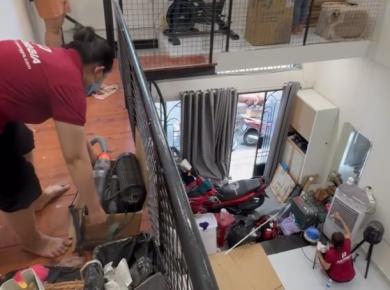


For a small business, office cleaning does not need to be complicated, but it should not be handled only when the space already looks dirty. A more practical approach is to separate cleaning tasks into daily, weekly, and periodic deep-cleaning activities. With a clear schedule, the office stays consistently clean, tasks are easier to assign, and operating costs are easier to control.

A weekly office cleaning plan should answer four basic questions: which area needs to be cleaned today, who will check the result, what standard counts as clean, and which tasks must not be missed. This guide provides a practical schedule, checklist, and inspection method for small offices, especially those with limited administrative staff or businesses that use part-time or scheduled cleaning support.
What is a weekly office cleaning plan?
A weekly office cleaning plan is a task schedule that divides cleaning work by day, area, and cleaning frequency. Instead of leaving all cleaning tasks until the end of the week, this plan helps a small business maintain a clean office through smaller, repeated tasks.
For example, trash bins, restrooms, pantry areas, and high-traffic floors should be checked daily. Glass partitions, office chairs, under-desk areas, filing cabinets, and office equipment can be cleaned weekly. Carpets, curtains, air conditioners, high glass panels, and small storage rooms should be included in a periodic deep-cleaning plan.
Why should small businesses have a weekly office cleaning schedule?
Many small offices do not have a full-time cleaner on site. Cleaning may be handled by a receptionist, administrative staff, internal employees, or an external cleaning team. Without a clear checklist, each person may understand “clean” differently. One person may only empty trash bins, another may wipe desks, while restrooms, pantry areas, under-desk spaces, and meeting rooms are left behind.
A weekly schedule helps prevent the office from being clean only at the beginning of the week and gradually becoming untidy by Friday. Areas that easily create odors, such as restrooms and pantry spaces, are handled regularly. Less obvious areas such as door handles, switches, printers, under-desk corners, and the top of filing cabinets also have their own inspection schedule.
Principles for creating a small office cleaning schedule
A good cleaning plan is not the one with the longest task list. It is the one that can be followed consistently, checked quickly, and adjusted to the actual way the office operates. For small businesses, the following principles are especially useful.
Divide tasks by office area
Start by separating the office into clear zones: shared work area, meeting room, reception area, pantry, restroom, walkway, small storage room, printer area, and document storage area. Each zone is used differently, so each one needs a different cleaning frequency.
Prioritize areas that create odors or affect first impressions
Restrooms, pantry areas, meeting rooms, and reception spaces should be prioritized because they directly affect employees, clients, and visitors. Even if desks look reasonably neat, a smelly restroom or a pantry with leftover food can make the whole office feel poorly maintained.
Separate maintenance cleaning from deep cleaning
Maintenance cleaning includes short daily tasks such as collecting trash, wiping desks, cleaning floors, and checking restrooms. Deep cleaning involves removing accumulated dust, long-term stains, odors, carpet dirt, chair stains, high glass dust, curtain dust, or air conditioner buildup. If both types of work are mixed into one daily checklist, the cleaner may become overloaded and only handle the most visible tasks.
Use clear inspection standards
Do not inspect cleaning results based only on the vague feeling that something “looks fine.” Each task should have a simple standard: the floor has no visible debris, the restroom is dry and odor-free, the pantry has no leftover food, the meeting table has no cup marks, and the glass is not streaky at eye level. The clearer the standard, the easier it is to check the result.
Adjust the plan based on staff size
An office with 8 employees and an office with 35 employees should not follow the same cleaning plan. As the number of employees increases, there will be more trash, heavier restroom usage, a messier pantry, and more frequent meeting room use. In this case, the business may need more daily checks or an additional cleaning session outside working hours.
Recommended cleaning frequency by office area
Before building a day-by-day schedule, the business should define how often each area needs to be cleaned. This helps avoid over-cleaning low-use areas while missing the places that actually affect daily office hygiene.
| Area | Suggested frequency | Tasks | Signs that frequency should increase |
|---|---|---|---|
| Work desks | Daily or every other day | Wipe empty surfaces, remove water marks, collect small trash | Visible dust, many cup marks, paper scraps around desks |
| Floors and walkways | Daily | Vacuum or mop floors, clean entrance marks | Dust builds up quickly, rainy season, frequent visitors |
| Restrooms | Daily | Clean toilet bowls, sinks, mirrors, floors, refill paper and soap | Odor, wet floors, supplies running out often |
| Pantry | Daily | Wipe counters, sink, shelves, remove leftover food, check trash | Food odor, ants, trash bin fills quickly |
| Meeting room | 2–3 times per week | Wipe table, chairs, screen, door handles, check room odor | Frequent meetings, client visits, stale air |
| Low glass panels and partitions | Once per week | Clean fingerprints, dust, and visible streaks | Cloudy glass, many handprints, large glass reception area |
| Chairs, carpets, curtains | Check weekly, deep clean periodically | Vacuum, check stains, detect musty smells | Odor, stains, fabric dust, staff eating at desks |
Sample weekly office cleaning plan
The following schedule is suitable for a small office with a shared work area, one meeting room, a pantry, a restroom, and a reception area. The business can increase or reduce tasks based on office size, foot traffic, and staff count.
| Day | Priority area | Main tasks | Inspection standard |
|---|---|---|---|
| Monday | Work desks, floors, trash bins | Collect weekend trash, wipe clear desk surfaces, vacuum or mop floors, tidy shared areas | No leftover trash, no visible floor dust, no water marks on desks |
| Tuesday | Restrooms, pantry | Clean toilet bowls, sinks, mirrors, restroom floors, pantry shelves, trash bins, and odor sources | Restroom is dry and odor-free, pantry has no leftover food |
| Wednesday | Meeting room, reception area | Wipe meeting table, chairs, door handles, presentation equipment, and reception table | Meeting room is ready to use, reception area is tidy and dust-free |
| Thursday | Glass, cabinets, office equipment | Clean low glass panels, filing cabinets, printer, switches, desk phones, and door handles | Glass is not streaky, equipment does not have thick dust |
| Friday | Under desks, hidden corners, chairs | Vacuum under desks, remove small trash, check chairs, clean hidden dusty corners | No hair, paper scraps, or heavy dust in hidden areas |
| Saturday or weekend | Entire office | General inspection, re-clean dirty areas, check odors in carpets, chairs, restrooms, and pantry | Office is clean, dry, odor-free, and ready for the new week |
Daily cleaning checklist for small offices
A daily checklist should be short enough to follow consistently. The goal is not to deep clean every corner each day, but to control visible dirt, odors, trash, and high-use areas.
| Item | Task | Best time | Pass standard |
|---|---|---|---|
| Trash bins | Collect trash from work desks, pantry, restrooms, and reception area | End of day or early morning | Bins are not full, no odor, no trash around bins |
| Work desks | Wipe empty desk surfaces, remove water marks and visible dust | Before or after working hours | Desk surfaces are clean, without disturbing personal items |
| Floors | Vacuum or mop walkways, work areas, and entrance areas | Before or after working hours | No visible dust, hair, paper scraps, or stains |
| Restrooms | Clean toilet bowls, sinks, mirrors, floors, refill paper and soap | At least once per day | No odor, no dirty wet floor, supplies are available |
| Pantry | Wipe counters, sink, shelves, remove leftover food, check shared cups | Late morning or end of day | No standing water, no leftover food, no unpleasant odor |
| Reception area | Arrange chairs, wipe table, check cups, brochures, and unused items | Before work or before appointments | Clean, tidy, and ready for visitors |
Weekly cleaning checklist for small offices
A weekly checklist covers tasks that may not look dirty immediately but can accumulate dust within a few days. This is what separates an office that is merely usable from one that feels properly maintained.
| Area | Weekly task | Inspection standard | Recommended inspector |
|---|---|---|---|
| Glass and low partitions | Clean fingerprints, dust, and water marks at eye level | Glass is clear and not streaky when viewed from an angle | Admin staff or receptionist |
| Office chairs | Vacuum chair surfaces, check stains and musty smells | Chairs have no visible dust and no unpleasant odor | Office manager |
| Under desks | Vacuum, remove small trash, paper scraps, and hair | No heavy dust, cables are not pulled out of place | Admin staff |
| Filing cabinets | Wipe cabinet tops, handles, and shared document areas | No visible dust on exposed surfaces | Department using the cabinet |
| Office equipment | Wipe printers, phones, switches, and door handles | No dust and no dirty fingerprints | Office manager |
| Meeting room | Clean table, chairs, screen, cables, and check room odor | Table is clean, chairs are aligned, equipment is usable | Admin staff or meeting room owner |
Which areas need periodic deep cleaning?
Not every item needs deep cleaning every week. However, if these areas are not added to a periodic plan, they are often ignored until odors, stains, or visible dust appear. For small offices, the following items should be prioritized.
| Item | Suggested frequency | Why deep cleaning is needed |
|---|---|---|
| Office carpet | Every 1–3 months depending on use | Carpets trap dust, moisture, food crumbs, and dirt from shoes |
| Fabric chairs and reception sofa | Every 2–4 months | Fabric surfaces absorb sweat, dust, and stale indoor odors |
| Curtains and high glass panels | Every 3–6 months | Dust buildup makes the office look darker and older |
| Air conditioners | Every 3–6 months | Helps reduce dust, musty smells, and poor cooling performance |
| Small storage room and document cabinets | Every 1–2 months | Old papers, empty boxes, and unused items pile up easily |
| Restrooms and pantry | Deep clean weekly, descale periodically | These areas easily develop odors, water stains, and buildup |
Should a small business clean internally or hire scheduled cleaners?
A small business can handle cleaning internally if the office is small, has few employees, has limited shared facilities, and does not require cleaning outside working hours. This option may reduce direct costs, but it still needs one person responsible for checking the result. Without ownership, the cleaning schedule can easily disappear into the fog of “someone will do it later.”
Scheduled cleaning is more suitable when the office has many people coming in and out, regular client visits, a frequently used pantry, carpets, or chairs that require proper cleaning methods. The key benefit is not only the cleaning itself, but also consistency: tasks are performed on schedule, results are checked by checklist, and cleaning can be arranged before work, after work, or on weekends.
| Criteria | Internal cleaning | Scheduled cleaning service |
|---|---|---|
| Initial cost | Lower if only basic tasks are needed | Charged by session, hour, or package |
| Consistency | Depends heavily on assigned internal staff | More stable when schedule and checklist are clear |
| Deep-cleaning ability | Limited if tools and suitable chemicals are lacking | Better for carpets, chairs, glass, restrooms, and pantry areas |
| Impact on working hours | May be inconvenient if done during office hours | Can be arranged before work, after work, or on weekends |
| Best suited for | Very small offices with few people and few visitors | Small to medium offices that need stable cleaning quality |
Easy weekly office cleaning plan template
The template below can be used immediately for a small office. When applying it, add columns for “completed,” “person in charge,” and “inspected by” so the plan does not exist only on paper.
| Task group | Monday | Tuesday | Wednesday | Thursday | Friday | Weekend |
|---|---|---|---|---|---|---|
| Collect trash | Yes | Yes | Yes | Yes | Yes | Final check |
| Wipe work desks | Yes | Check | Yes | Check | Yes | Clean shared areas thoroughly |
| Clean restrooms | Yes | Yes | Yes | Yes | Yes | Light deep cleaning |
| Clean pantry | Yes | Yes | Yes | Yes | Yes | Check odor, shelves, and sink |
| Meeting room | Check | Quick wipe | Thorough wipe | Check | Quick wipe | Rearrange |
| Glass, chairs, under desks | - | - | Low glass panels | Chairs | Under desks | Full check |
Common mistakes when planning office cleaning
The first mistake is cleaning only when dirt becomes visible. This causes hidden areas such as under desks, cabinet tops, cables, room corners, printers, switches, and door handles to be forgotten. Once dust builds up heavily, cleaning takes more time and the office already feels neglected.
The second mistake is ignoring the pantry and restrooms. These are the two highest-risk odor areas in a small office. Without daily checks, trash bins, sinks, wet floors, and leftover food can quickly affect the entire space.
The third mistake is not having an inspection checklist. Without clear standards, managers can only make general comments. A short checklist should include: trash collected, floor clean, restroom odor-free, pantry tidy, meeting room ready to use, and reception area free of visible dust.
The fourth mistake is using the wrong cleaning chemicals or tools. Fabric chairs, carpets, glass, wooden floors, tile floors, and electronic equipment require different handling. Using one cleaning liquid for every surface may leave glass streaky, make chairs damp, make floors slippery, or damage equipment.
When should the office cleaning schedule be adjusted?
The cleaning schedule should not stay the same all year. A business should adjust it when staff count increases, the office moves to a new space, more meeting rooms are added, client visits become more frequent, internal events are held, or the rainy season begins. These are the times when dust, trash, odors, and floor stains usually increase.
Signs that the current schedule is no longer enough include restroom odor by the end of the day, pantry trash piling up, floors getting dirty quickly after lunch, damp smells from chairs or carpets, stale meeting rooms, fingerprints on glass, or employees starting to remind each other about cleanliness. If two or more of these signs appear, the current schedule may be too light.
Frequently asked questions about weekly office cleaning plans
Does a small office need cleaning every day?
Yes, but it does not need deep cleaning every day. Daily tasks should include collecting trash, wiping visibly dirty areas, cleaning restrooms, checking the pantry, and cleaning high-traffic floor areas.
Who should inspect the office cleaning checklist?
One person should be assigned clearly, usually an admin staff member, receptionist, or office manager. This person does not need to clean directly, but should check the key standards after each cleaning session.
Does a small office with few employees need scheduled cleaning?
If the office has few employees, few visitors, and no heavily used pantry or carpet, internal cleaning may be enough. If the business needs consistent cleanliness, after-hours cleaning, or proper handling of chairs, glass, restrooms, and pantry areas, scheduled cleaning is more practical.
How often should a small office be deep cleaned?
A small office can usually have a light deep clean every month. Items such as carpets, fabric chairs, curtains, high glass panels, and air conditioners can be deep cleaned every 2–6 months, depending on usage.
Conclusion
A small business does not need an overly complex office cleaning plan. What matters most is dividing tasks properly into daily, weekly, and periodic work. Trash, floors, restrooms, and pantry areas should be handled daily. Glass panels, chairs, under-desk spaces, cabinets, and office equipment should be scheduled weekly. Carpets, curtains, air conditioners, high glass panels, and storage rooms should be added to a periodic deep-cleaning plan.
When the cleaning schedule is clear, the person doing the work knows exactly what to do, the manager knows what to inspect, and the business can control cleaning costs more effectively. This is also a practical way for a small office to stay neat and professional without turning every weekend into a heavy cleaning marathon.