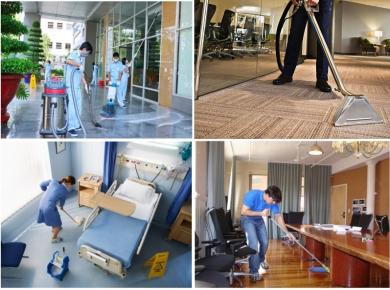


Many families only start deep cleaning when the house already smells damp, dust has built up on shelves, the floor feels sticky, or guests are coming over. At that point, cleaning is no longer a quick task. It often becomes a tiring full-house cleaning session that takes much more time and effort.

In reality, knowing how often should you deep clean your home and creating a simple daily, weekly, and monthly cleaning routine can make the house much easier to maintain. Fresh stains are handled early, dust does not build up too heavily, and your family does not have to wait until the home becomes visibly dirty before cleaning deeply.
Quick answer: In general, a home should be deep cleaned every 1 to 3 months. However, the ideal frequency depends on the home size, number of residents, dust level, cooking habits, pets, humidity, ventilation, and actual living conditions.
How often should you deep clean your home?
For most homes, a reasonable deep cleaning frequency is every 1 to 3 months. This is usually enough time for dust, grease, hidden dirt, and buildup in less visible areas to accumulate. A deep clean helps refresh areas that daily cleaning cannot fully handle.
If your home has only one or two people, little cooking, minimal furniture, and good ventilation, deep cleaning every 2 to 3 months may be enough. Small apartments that are kept tidy every day usually do not need deep cleaning too frequently.
For larger households, deep cleaning every 1 to 2 months is more suitable. When more people live in the same space, floors, bathrooms, kitchens, sofas, shoe cabinets, and dining areas become dirty faster. Even if the house still looks neat, it may start to feel stuffy or less fresh.
Homes with small children, elderly family members, or pets should be cleaned more often. Children often sit, crawl, and play on the floor, while pets can leave fur, odor, and fine dust around the home. In this case, deep cleaning is not only about appearance, but also about creating a more comfortable living environment.
Homes near main roads, construction sites, or high-traffic areas also need shorter cleaning cycles. Dust can quickly settle on glass doors, curtains, balconies, fans, shelves, and window tracks. These areas are difficult to clean thoroughly with only daily wiping.
For homes after renovation, repainting, new furniture installation, or long periods of vacancy, deep cleaning should be done before moving in or using the space again. These situations often involve fine dust, paint smell, glue marks, wood dust, cement dust, and stains that need more careful treatment.
| Home condition | Suggested frequency | Practical note |
|---|---|---|
| Small household, little cooking | Every 2 to 3 months | Maintain light daily cleaning to keep the home fresh longer |
| Large household | Every 1 to 2 months | Focus on kitchen, bathroom, floors, and shared living areas |
| Home with children or pets | About once a month, or more often if needed | Pay attention to dust, pet hair, odor, carpets, sofas, and play areas |
| Home in a dusty location | Every 1 to 2 months | Glass, balcony, curtains, fans, and window tracks often collect dust quickly |
| Home after renovation or vacancy | Before use | Fine dust, paint smell, glue marks, and hidden dirt should be handled first |
What factors affect your home deep cleaning frequency?
There is no single cleaning schedule that works for every home. Some houses stay clean for 3 months, while others start to smell damp or collect dust after only a few weeks. The right cleaning frequency depends on how your home is used every day.
Home size is one of the first factors to consider. A larger house, a multi-story home, or a home with many rooms and storage areas will naturally have more hidden corners. Places like under the bed, behind cabinets, stairs, balconies, laundry areas, and high shelves are easily missed during daily cleaning.
The number of people living in the home also makes a big difference. A single person in a small apartment creates much less daily mess than a family of four to six people. More people means more dust, hair, laundry, dishes, footprints, and clutter.
If your home has children, elderly family members, or pets, you should pay closer attention to floors, rugs, sofas, curtains, bedding, and low-touch surfaces. These areas are used often and can hold dust, hair, and odor without looking obviously dirty.
The location of the home also matters. Homes facing main roads, near construction sites, or in areas with heavy traffic often collect dust faster than homes in quiet alleys or less exposed areas.
Cooking habits are another important factor. If your family cooks every day, especially fried or stir-fried dishes, oil and grease can build up on kitchen walls, exhaust hoods, cabinets, and floors. Over time, this makes the kitchen smell heavier and harder to clean.
Humidity and ventilation should also be considered. Homes with little sunlight, closed rooms, damp bathrooms, or poorly ventilated laundry areas are more likely to develop musty smells. Moisture can affect tile grout, curtains, carpets, wardrobes, and wooden furniture.
Furniture and decoration style can also affect cleaning needs. The more rugs, curtains, open shelves, sofas, and decorative items you have, the easier it is for dust to settle. These items make a home feel warm and beautiful, but they also need a proper cleaning routine.
Daily, weekly, and monthly cleaning schedule
A good cleaning schedule does not need to be complicated. The most important thing is to divide tasks into smaller groups and handle them regularly, instead of waiting until everything piles up. This approach works especially well for busy families, apartments, townhouses, and shared homes.
| Frequency | Recommended tasks | Main purpose |
|---|---|---|
| Daily | Take out trash, wipe the kitchen, clean dining surfaces, put items back, dry the bathroom, ventilate rooms | Keep the home tidy, reduce odor, and prevent fresh stains from staying too long |
| Weekly | Vacuum, mop floors, clean bathrooms, change bedsheets, wipe frequently used glass, clean the kitchen more thoroughly | Maintain cleanliness in areas used every day |
| Monthly | Clean fans, lights, cabinet tops, door tracks, window tracks, balcony, laundry area, and check for damp smells | Remove dust from areas that are not cleaned daily |
| Every 3 to 6 months | Deep clean the entire house, clean curtains, carpets, sofas if needed, and clean behind furniture or high areas | Refresh the home and remove hidden dirt buildup |
Tasks to do every day
Daily cleaning does not have to take too much time. Focus on tasks that easily create odor or visible mess. Taking out trash, wiping the dining table, cleaning the kitchen counter after cooking, and putting items back in place can make a noticeable difference.
The kitchen should be wiped after each cooking session. Fresh grease is usually easy to remove, but if it stays for several days, it becomes sticky and harder to clean. This is why some kitchens do not look extremely dirty but still smell heavy.
The bathroom should also be kept dry after use. A quick wipe, opening the door, or turning on ventilation can help reduce damp smells, slippery floors, and discoloration in tile grout.
For bedrooms and living rooms, open the windows when possible. Good airflow helps reduce musty smells, food odor, and stuffiness, especially in apartments or houses with limited natural light.
Tasks to do every week
Each week, vacuum or sweep the entire floor carefully before mopping. If your home has children, pets, rugs, or fabric furniture, pay extra attention to under the sofa, carpets, room corners, and the entrance area.
Bathrooms should be cleaned regularly instead of waiting until stains become obvious. Toilets, sinks, faucets, floors, and drains are easier to maintain when cleaned weekly. This also helps reduce odor and soap scum buildup.
Bedsheets, pillowcases, towels, and cleaning cloths should be changed or washed every week. These items come into direct contact with the body and can hold sweat, dust, and odor, especially in hot or humid weather.
The kitchen should also receive a more thorough cleaning once a week. Check the refrigerator, remove old food, wipe spice racks, clean cabinet handles, and remove grease around the stove before it becomes harder to clean.
Tasks to do every month
Once a month, spend time cleaning areas that are often overlooked, such as fans, lights, cabinet tops, door tracks, window tracks, and mosquito screens. These areas may not look dirty at first, but they often collect a surprising amount of dust.
Balconies, laundry areas, and washing machine corners should also be checked regularly. Dust, standing water, detergent residue, leaves, and forgotten items can make these areas smell damp or look neglected.
In bedrooms, check wardrobes, wall corners, under the bed, and areas that are rarely opened. If you notice a mild musty smell, handle it early by drying the area, improving airflow, and reducing clutter.
The kitchen should also be cleaned more deeply each month, especially the range hood, kitchen wall, cabinet surfaces, and greasy corners. Grease becomes harder to remove the longer it stays.
Tasks to do every 3 to 6 months
Every 3 to 6 months, your home should receive a more complete deep cleaning. This is the time to clean behind the refrigerator, behind the washing machine, under the bed, under the sofa, high shelves, ceilings, ceiling fans, and hidden corners.
Curtains, rugs, sofas, and mattresses should also be checked during this cycle. They do not always need to be washed every time, but if they smell, show stains, hold pet hair, or collect dust, they should be cleaned sooner.
This is also a good time to reorganize storage areas, shoe cabinets, closets, and items that are rarely used. Many families leave things in one corner for months, only to later find dust, old smells, small insects, or damaged items.
Signs your home needs deep cleaning sooner
Even if you already have a cleaning schedule, you should still observe the actual condition of your home. Sometimes, waiting until the next planned deep cleaning is not ideal because the home already shows signs that it needs attention.
- The home smells damp or unpleasant even after normal cleaning.
- Dust appears quickly on tables, shelves, glass doors, TV surfaces, or cabinets.
- The floor feels sticky, dull, or not fully clean after mopping.
- The kitchen has long-term grease around the stove, wall, or range hood.
- The bathroom has stains, discolored grout, or drain odor.
- Glass surfaces look cloudy and cannot be cleaned well with basic wiping.
- Family members sneeze, feel itchy, or feel uncomfortable in closed rooms.
- Ants, cockroaches, mosquitoes, or small insects appear in the kitchen, bathroom, or storage area.
- The home is about to welcome guests, host a party, prepare for holidays, handover, rental, or move-in.
In practice, damp smells and fast dust buildup are two important warning signs. They often mean the problem is not only on visible surfaces, but also in hidden areas that are not cleaned regularly.
Should you hire a regular home cleaning service?
Not every family needs to hire a regular home cleaning service. If your home is small, has little furniture, has no difficult stains, and your family can clean consistently, you can maintain it with a daily, weekly, and monthly schedule. This is cost-effective and suitable for homes that are already kept clean.
However, hiring a service may be more practical in some situations. These include large homes, multi-story houses, homes that have not been deep cleaned for a long time, homes after renovation, repainting, furniture installation, or homes that need quick cleaning before handover. These cases often involve fine dust, stubborn stains, high glass areas, grease, bathroom stains, and areas that require proper tools.
For busy families, the most practical solution is not always to hire cleaning too often. You can maintain small tasks every day and week, then schedule deep cleaning monthly, quarterly, or before important occasions. This helps control cost while keeping the home consistently clean.
How to keep your home clean longer between deep cleaning sessions
To make your home stay clean longer, handle stains as soon as they appear. Fresh grease in the kitchen, water on the bathroom floor, food stains on the dining table, or smelly trash should be cleaned early before they become bigger problems.
Avoid letting items pile up in corners. Bags, boxes, old items, and unused objects can collect dust, moisture, and insects. The fewer things you leave in corners, the faster and easier cleaning becomes.
The kitchen should stay dry and well ventilated. After cooking, wipe the stove, counter, oil-splash areas, and wash utensils early. If grease stays for days, it becomes sticky, smells unpleasant, and takes much more effort to remove.
The bathroom should also be dried after use. A quick floor wipe, open door, or ventilation fan can reduce damp smells, stains, and slippery surfaces.
Check hidden areas regularly, such as behind doors, under beds, under sofas, shoe cabinets, balconies, washing machine areas, and cabinet tops. These places do not need daily cleaning, but leaving them too long will make the next deep cleaning session much harder.
Conclusion
How often should you deep clean your home depends on the size of your home, the number of people living there, dust level, cooking habits, humidity, and daily lifestyle. For most homes, deep cleaning every 1 to 3 months is a reasonable schedule.
However, if your home has children, pets, many residents, heavy dust, damp smells, or has not been cleaned deeply for a long time, you should shorten the cycle. Instead of waiting until the house becomes too dirty, divide cleaning tasks into daily, weekly, and monthly routines to keep your living space fresh and easier to manage.
Frequently Asked Questions
How often should a home be deep cleaned?
Most homes should be deep cleaned every 1 to 3 months. Small homes with little dust may only need deep cleaning every 2 to 3 months, while homes with children, pets, or more people may need it more often.
Should homes with small children be deep cleaned more frequently?
Yes. Homes with small children should be deep cleaned more often because children often touch floors, toys, carpets, sofas, and low surfaces. Dust, pet hair, and damp odors should be checked regularly.
How long does a full home deep cleaning take?
The time needed depends on home size, number of floors, furniture, dirt level, and cleaning tasks. A small home may take a few hours, while a large or long-neglected home may require more time and more cleaners.
Do I still need deep cleaning if I clean every day?
Yes. Daily cleaning keeps the home tidy and handles visible surfaces, but it usually does not remove dust from high areas, window tracks, under furniture, curtains, carpets, sofas, range hoods, and hidden corners.
When should I hire a home deep cleaning service?
You should consider hiring a cleaning service when the home is large, has stubborn stains, has not been deep cleaned for a long time, has just been renovated, needs urgent handover, or when your family does not have enough time, tools, or suitable cleaning products.